“`html
How to Deal with Common Garden Weeds
Gardening can be one of the most rewarding hobbies, but managing pesky weeds is a challenge every gardener faces. In this comprehensive guide, we’ll explore various methods for dealing with common garden weeds, ranging from homemade and commercial solutions to preventative measures. We’ll cover effective practices and tools to tackle weeds in different areas such as flower beds and vegetable gardens. Whether you’re looking for eco-friendly approaches or the best tools for the job, this guide provides a balanced view to ensure your garden remains healthy and beautiful. Let’s delve into these practical strategies to keep those unwelcome invaders at bay.
Do Homemade Weed Killer Sprays Really Work?
Homemade weed killer sprays are popular among gardeners seeking natural solutions to combat weeds. Ingredients such as vinegar, salt, and dish soap are common components of these DIY concoctions. Vinegar contains acetic acid, which can dehydrate and kill small weeds when applied in sunlight. However, it may not be effective on larger or deep-rooted weeds. Similarly, salt can disrupt the water balance of plants, leading to their demise, but excessive use might harm the soil and desired plants.
While homemade sprays are a safer alternative to chemical treatments, their efficiency largely depends on the type of weeds and environmental conditions. It’s crucial to apply these solutions during dry weather to prevent dilution. Always exercise caution when using homemade sprays, as they can also harm beneficial plants and alter soil quality. Regular monitoring and targeted application will maximize their effectiveness.
Are Commercial Weed Killers Safe?
Commercial weed killers come in various formulations, promising quick and efficient results. However, concerns about their safety for the environment, humans, and pets are paramount. Many commercial products contain glyphosate, a controversial chemical linked to health risks. As a result, consumers are increasingly choosing organic or less-harsh alternatives.
Products with natural ingredients such as citrus oil or corn gluten meal offer a safer approach while maintaining efficacy. It’s important to read labels carefully and use commercial weed killers as directed to minimize risks. Consider local environmental regulations and options for organic gardening practices when selecting these products.
How to Prevent Weeds in Gardens
Prevention is always better than cure, and this holds true for weeds in gardens. One effective prevention method is maintaining healthy soil through regular aeration and proper fertilization. Healthy plants are more competitive and can outgrow weeds, thereby reducing their spread.
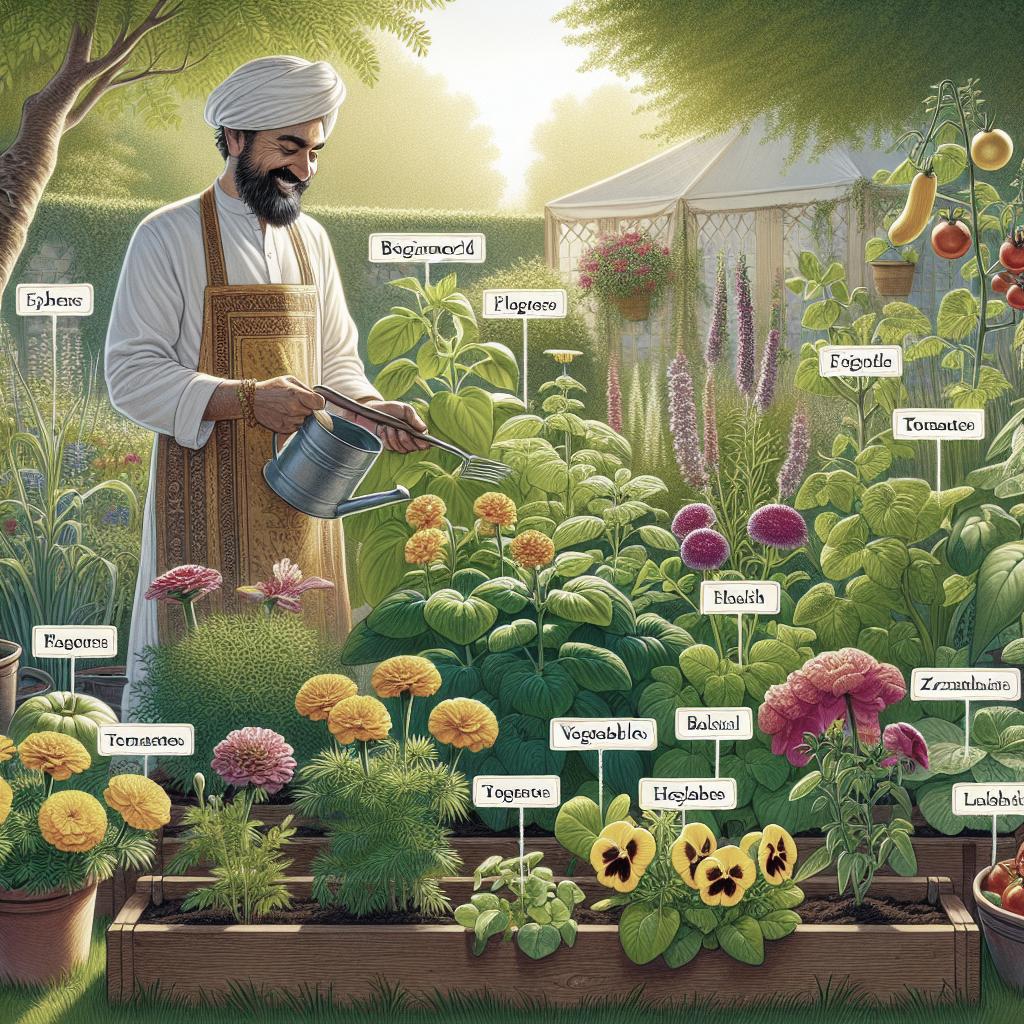
Mulching is another excellent strategy for keeping weeds at bay. A thick layer of organic mulch not only conserves soil moisture but also blocks sunlight, preventing weed germination. Additionally, consider implementing strategic planting patterns, such as dense spacing of desired plants, which can naturally suppress weed growth.
What About Using Preen as Weed Prevention?
Preen is a popular pre-emergent herbicide that prevents weed seeds from germinating. When applied properly, it can reduce the number of weeds in a garden without harming established plants. It’s most effective when used after planting and before mulching, providing a barrier against new weed growth.
It’s crucial to follow the product instructions for Preen to ensure it targets the right weeds and doesn’t interfere with your intended plants. As with any chemical treatment, consider potential environmental impacts, and explore organic alternatives that align with your gardening philosophy.
Don’t Use Landscape Fabric as a Weed Barrier in Flower Beds
Landscape fabric, though often marketed as a weed barrier, might not be the best choice for flower beds. These synthetic sheets can eventually degrade and crumble, introducing microplastics into the soil. Their use can also hinder the natural growth and spread of plants, leading to suboptimal garden health.
Moreover, landscape fabric can trap water and moisture, making the soil surface an inviting environment for weeds. For a more sustainable solution, opt for natural mulches like wood chips or grass clippings that offer weed suppression without impeding plant growth.
How to Keep Weeds Out of Vegetable Gardens
Keeping weeds out of vegetable gardens requires a combination of manual control and preventative measures. Start by removing weeds manually, ensuring you pull them out by the roots. This can be especially effective for young or shallow-rooted weeds.
Employing cover crops during off-seasons and rotating crops each year can naturally reduce weed competition. Also, consider using straw or grass clippings as mulch to retain soil moisture and inhibit weed growth. Regularly inspect and promptly address weed encroachment to protect your vegetables.
The Best Tools for Weeding
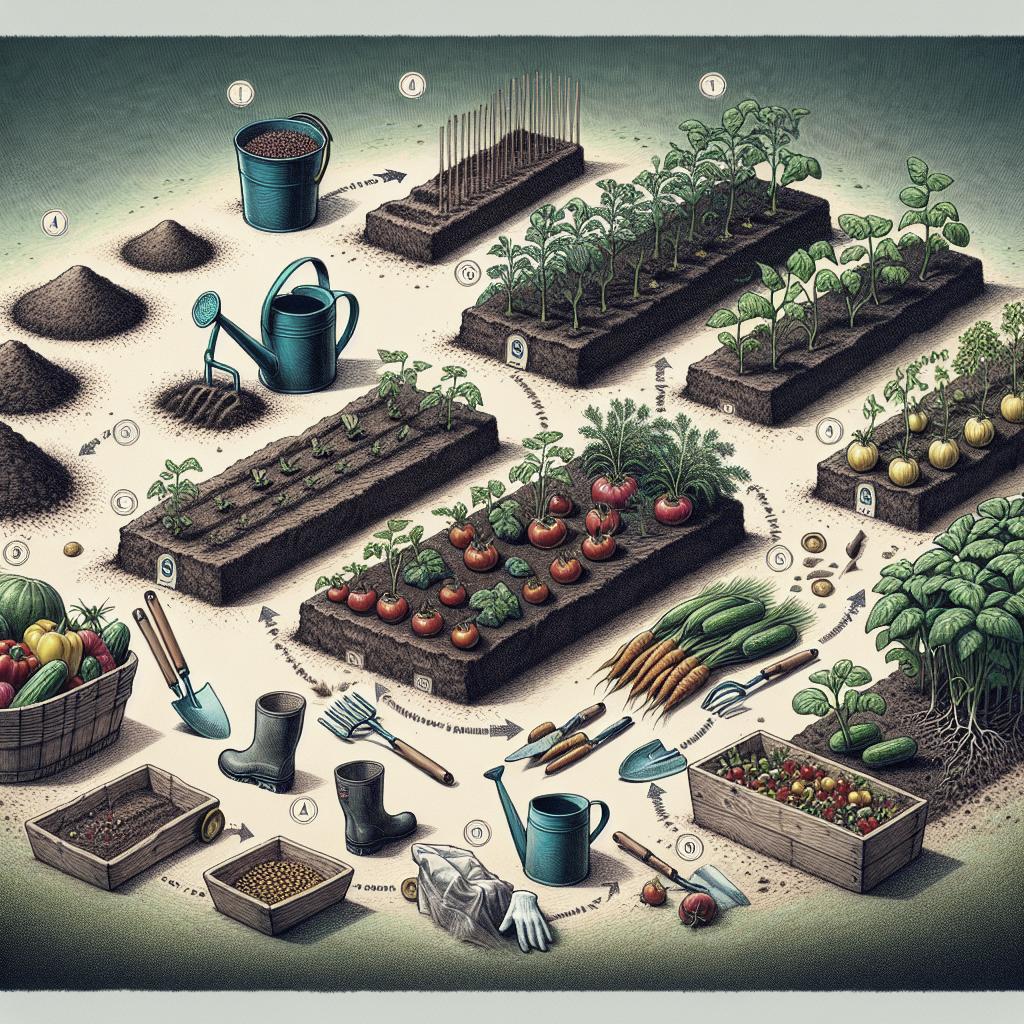
The right tools can make a significant difference in your weeding efforts. Hand tools such as trowels, hoes, and weeders are versatile for tackling small or isolated weed patches. Hoe varieties like the stirrup hoe are particularly effective in slicing weeds just below the soil surface.
For larger areas, consider using long-handled tools that require less bending and straining. Investing in ergonomic, durable weeding tools will make maintenance more manageable and are essential for all gardening enthusiasts.
#1 Way to Remove Weeds from Driveways and Sidewalks
Removing weeds from driveways and sidewalks requires robust solutions, as these areas are often prone to tough, invasive weeds. One effective method is boiling water, which kills weeds by breaking cell walls. It’s a non-toxic, eco-friendly solution that can be applied repeatedly for the best results.
Alternatively, a high-pressure garden hose nozzle or pressure washer can blast away surface weeds and their seeds. Combining these methods ensures both immediate and preventative action against weeds on hard surfaces.
A Few More Tips on How to Deal With Weeds In Your Garden
Staying vigilant is key to managing weeds in your garden. Regular inspections and prompt removal, even of small weed seedlings, will prevent them from maturing and spreading. Adopt an integrated weed management strategy that combines manual, mechanical, and selective chemical approaches for optimal results.
Also, consider introducing weed-suppressing ground covers that add beauty and functionality to your garden. Plants like creeping thyme or phlox provide density to outcompete weeds while bringing color to your garden space.
Future Prospects
| Topic | Key Insights |
|---|---|
| Homemade Weed Killers | Effective for small weeds if used correctly; natural and eco-friendly. |
| Commercial Weed Killers | Provide quick results; safety concerns lead to preference for organic products. |
| Preventing Weeds | Maintain healthy soil and use mulching to naturally suppress weeds. |
| Using Preen | Preeminent herbicide for reducing seed germination; follow safety guidelines. |
| Landscape Fabric | Not advisable due to potential soil and plant growth issues; opt for organic mulch. |
| Vegetable Gardens | Manual removal and mulching are effective; practice crop rotation to limit weeds. |
| Tools for Weeding | Use appropriate tools like hoes and weeders; invest in ergonomic designs. |
| Weeds in Hardscapes | Boiling water and pressure washing are effective non-toxic solutions. |
| General Tips | Consistent effort, integrated management, and use of weed-suppressing plants. |
“`