“`html
Managing Sandy Soil in the Garden
If you’re a gardener struggling to cultivate a thriving garden in sandy soil, you’re not alone. Sandy soil, characterized by its gritty texture and poor water retention, can pose challenges for planting and growing. However, with the right techniques and knowledge, you can transform it into fertile ground for your garden. This post will guide you through identifying sandy soil, improving its structure to create sandy loam, selecting the best vegetables that thrive in such conditions, and using technology to better plan and manage your garden. So, roll up your sleeves and get ready to turn your sandy patch into a productive oasis.
How to Tell if You Have Sandy Soil
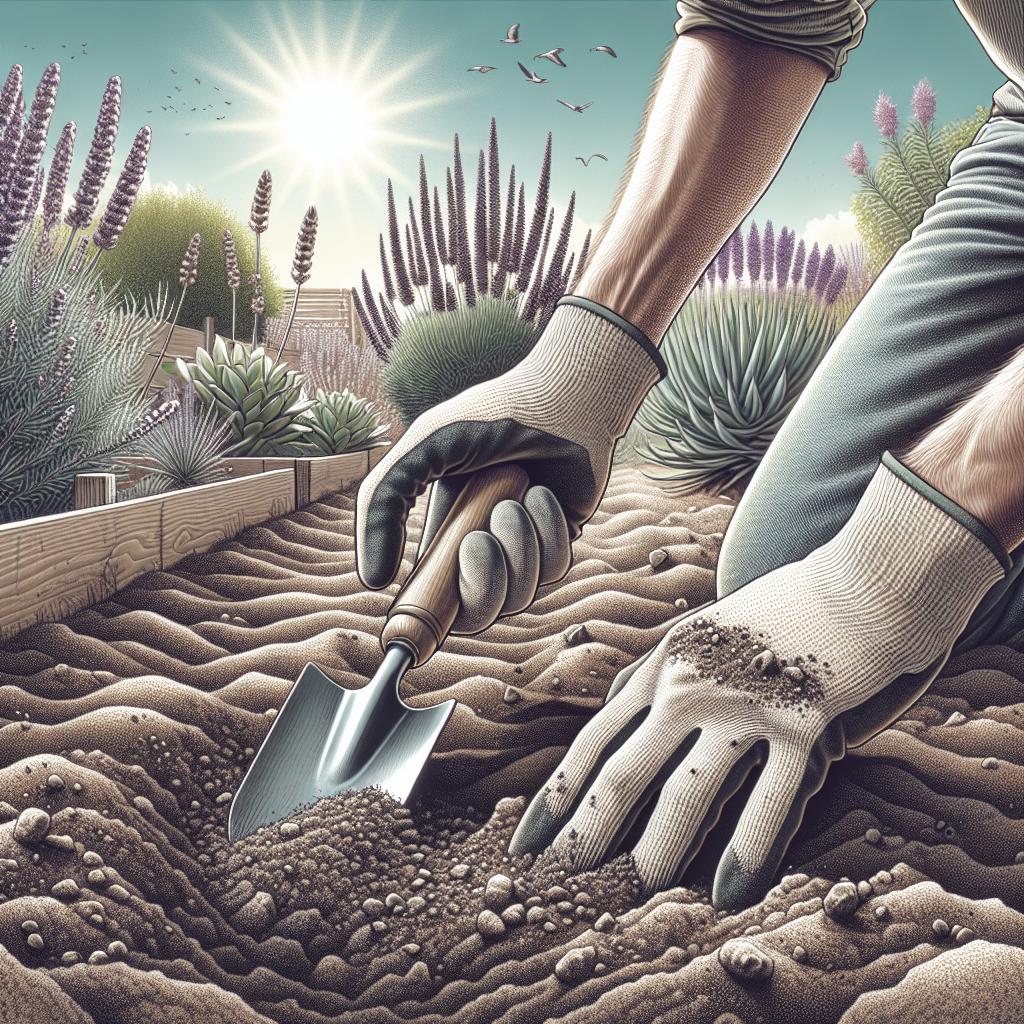
Determining if you have sandy soil involves a few simple observations and tests. Begin by closely examining the texture of your soil. Sandy soil is typically gritty and coarse. If you rub it between your fingers, it should feel rough and loose, unlike the smooth feel of clay soil. Additionally, sandy soil tends to crumble easily and will not hold its shape when wet.
Another effective test is the water infiltration method. Pour a small amount of water onto your garden soil. Sandy soil is known for its poor water retention and drainage properties, meaning that water will quickly penetrate and seep through, leaving the surface dry again in a short time. With these observations and tests, you can confidently identify whether your garden soil is sandy and needs attention.
Turn Sandy Soil into Sandy Loam
Transforming sandy soil into sandy loam provides a balanced structure that retains moisture while still allowing for proper drainage. Begin by incorporating organic materials such as compost, well-rotted manure, or peat moss into your soil. These amendments will enhance its nutrient content and moisture-holding capacity, fostering an environment suitable for plant growth.
Another technique to improve the condition of sandy soil is through mulching. Spread a layer of organic mulch like wood chips or straw over the soil surface. Mulch acts as a protective barrier, reducing water evaporation and keeping the soil temperature regulated. Over time, as the mulch breaks down, it continues to contribute to the soil’s organic matter, further improving its texture.
Best Vegetables for Sandy Soil
Despite its challenges, several vegetables can thrive in sandy soil due to their preference for well-drained conditions. Carrots, for example, benefit from the loose texture, allowing their roots to develop without resistance. Similarly, radishes and beets also grow well in sandy soil, as their roots experience less obstruction.
Sweet potatoes and melons are additional options that favor sandy conditions. These plants thrive when given room to spread out and access to adequate drainage. When selecting seeds or seedlings, consider varieties that explicitly mention suitability for sandy soil, as they are bred to handle these specific conditions more effectively.
Garden Planning Apps
To maximize the success and efficiency of your sandy soil garden, utilize technology with garden planning apps. These tools can assist you in creating layouts, tracking irrigation schedules, and managing plant health. Apps like “Garden Planner” offer features that help optimize space by considering plant compatibility and sun exposure, ensuring the best possible growing conditions.
Additionally, apps with integrated weather forecasts help you to plan your planting schedule and irrigation systems more precisely. With timely notifications, you can adjust your strategies to protect your garden against extreme weather events, making technology a perfect companion for sandy soil management.
Want to Receive Alerts When Pests are Heading Your Way?
Gardeners often face unexpected pest invasions, which can be particularly challenging to manage in sandy soil due to its open consistency. Consider downloading pest alert apps like “Pest Alert” or “Garden Pest Tracker.” These apps provide valuable information about pest activity in your area and send timely alerts to mitigate damage.
By using these alert systems, you can proactively prepare your garden defenses, applying organic pest control methods in advance. This technology reduces the risk of crop loss and helps maintain the health of your sandy soil garden throughout the growing season.
Comments
We would love to hear about your experiences with gardening in sandy soil. Have any tips or success stories to share? Feel free to leave a comment below and connect with our growing community of sandy soil enthusiasts.
Final Thoughts
| Category | Key Points |
|---|---|
| Identifying Sandy Soil | Gritty texture, fast drainage, water infiltration test |
| Improving Sandy Soil | Add organic material, use mulch for texture and moisture retention |
| Vegetables for Sandy Soil | Best options include carrots, radishes, beets, sweet potatoes, melons |
| Garden Planning Technology | Use garden planning and weather apps for efficiency |
| Pest Alerts | Apps notify you of pest activity to prepare and protect your garden |
“`