“`html
Starting a Community Garden: A Step-by-Step Guide
Community gardens are flourishing spaces that not only beautify neighborhoods but also create opportunities for education, sustainability, and social engagement. Whether you’re an experienced gardener or a novice, starting a community garden can be an incredibly rewarding venture. This guide provides insights into the benefits of community gardens and offers a practical, step-by-step approach to establishing one. From finding the right plot of land to engaging your community and maintaining your garden, we cover everything you need to know. By the end of this article, you’ll understand the process and find yourself eager to plant the seeds for your own communal greenspace.
What Is a Community Garden?
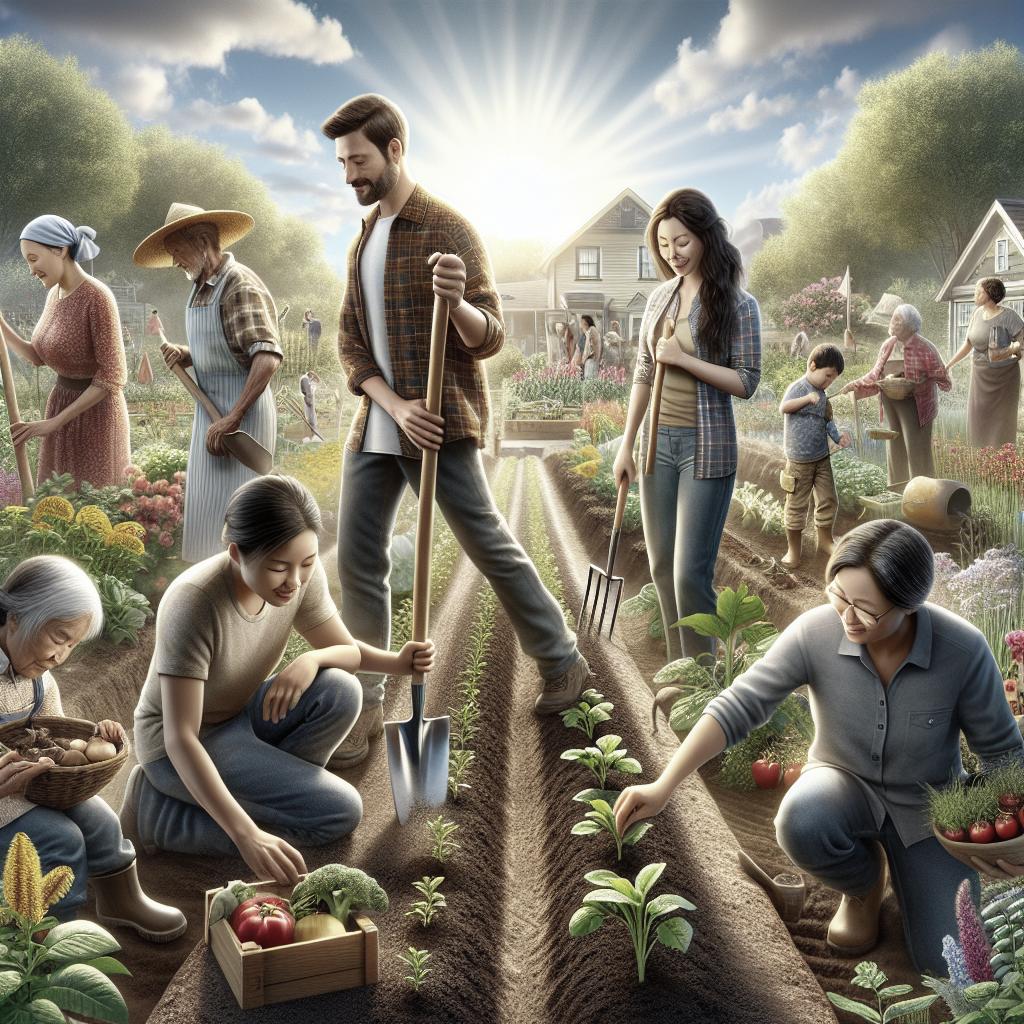
A community garden is a shared space where individuals come together to cultivate plants. It can range from vegetables and herbs to flowers and ornamental plants. The concept focuses on collaborative efforts in gardening that result in both tangible and intangible benefits for those involved. These gardens can be set up in urban, suburban, or rural spaces and serve much more than just the people who garden them.
Community gardens can transform underutilized areas into vibrant, productive places. They act as venues for environmental education, community building, and nourishing the local population with fresh produce. As communal spaces, these gardens bring people of all ages, backgrounds, and skills together, fostering a sense of community while helping participants connect with nature and practice sustainability.
Why Start a Community Garden?
The reasons for starting a community garden are as varied as the people involved. For many, the primary motivation is access to fresh, healthy food. Community gardens can help alleviate food scarcity and provide an affordable source of nutrition right in the neighborhood. Additionally, they promote food sovereignty—empowering communities to grow and control their own food sources.
Beyond the practical aspects, community gardens serve social and psychological purposes by acting as green spaces where residents interact, network, and collaborate. They offer educational opportunities by teaching participants about gardening, sustainability, and environmental stewardship. Overall, community gardens enhance the quality of life by creating healthier, more connected, and vibrant communities.
Steps to Starting a Community Garden
1. Find Available Land
Identifying a suitable plot of land is the first and perhaps most crucial step. Look for underutilized spaces in your neighborhood like vacant lots, schoolyards, or unused park areas. It’s important to ensure the land has adequate sunlight, clean soil, and access to water. Moreover, check zoning laws and secure necessary permissions from the property owner or the local government to avoid future litigation.
Consider the location from a community access perspective. A site that is central and easily accessible to most community members will foster more participation. You might also reach out to local real estate agents, community groups, or municipal offices to find suitable land options. Collaboration with city councils, schools, or churches can sometimes open doors to otherwise untapped land resources.
2. Engage Your Community
Building enthusiasm and support from the local community is essential. Start by organizing meetings or workshops to gather like-minded individuals who are interested in gardening and invest them in the project. Use various channels such as social media, local bulletin boards, or newsletters to spread the word and attract participants.
Forming a committed planning committee or working group will help delineate responsibilities and organize the project’s progression. Remember, the more inclusive and representative your group is, the more sustainable and successful your garden will be. Ensure there are open lines of communication for all members, as this will be pivotal in maintaining engagement and enthusiasm throughout the project.
3. Find Resources to Support Your Community Garden
Starting a garden requires resources ranging from tools and seeds to financial support. Engage local businesses, gardening centers, and agricultural organizations that might be willing to donate materials or offer discounts. Many non-profit organizations and government bodies offer grants to community-based projects, so do not hesitate to apply for these opportunities.
Also consider fundraising within your community; events such as plant sales, bake sales, or online crowdfunding can help raise essential funds. Form partnerships with nearby schools or colleges to facilitate educational workshops or obtain volunteer support, which can also bring additional resources into your pool.
4. Decide What to Plant in a Community Garden Plot
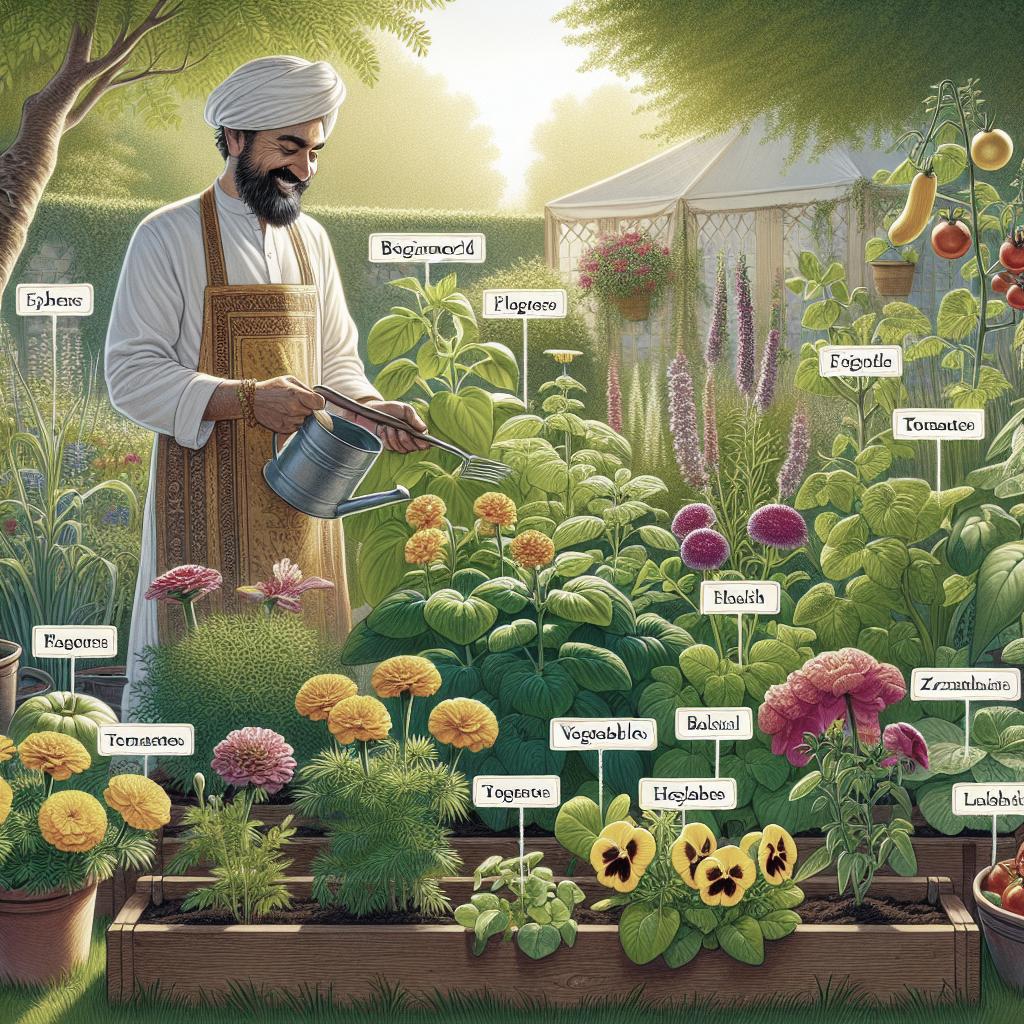
Choosing what to plant is an exciting step that reflects the community’s needs and desires. Survey your community members to understand their preferences—whether they prefer vegetables, herbs, flowers, or a mix of these. Consider the local climate and soil conditions when planning out your garden. Opt for plants that are well-suited to your environment and that will provide good yield or aesthetic value.
Incorporate a variety of plants to promote biodiversity, which can enhance pest control and pollination. Discuss and determine whether plots will be individual, where members plant their own choices, or communal, where everyone contributes to the overall output. Having both types can often satisfy various interests and foster a more dynamic garden.
5. Prep and Build the Site
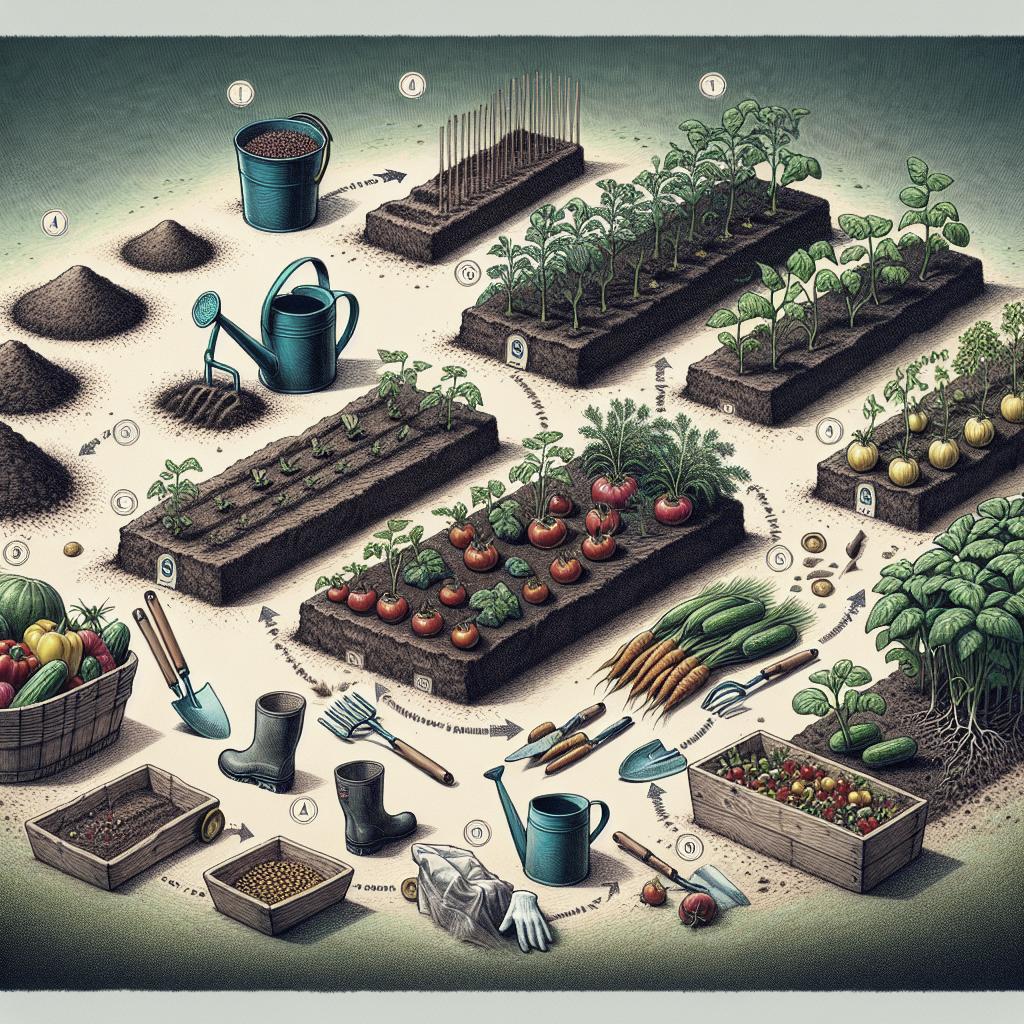
Once your plans are laid, it’s time to prepare the plot. Clear the site of debris, rank the soil, and establish garden beds. Use composting techniques to enrich the soil organically. If the soil quality is poor, raised beds or container gardening might be the best solution, allowing for better control over soil conditions and drainage.
Design the garden layout considering easy access for gardeners and allowing paths for movement. Create signage to identify different sections and provide basic garden rules for visitors. Ensure the water supply is adequate, installing hoses, rain barrels, or irrigation systems to meet your garden’s needs.
6. Determine Rules and Put Them in Writing
A successful community garden relies on clear rules and regulations to manage the shared space. Draft guidelines that address issues such as plot assignment, maintenance responsibilities, behavior regulations, and conflict resolution methods. Make sure these rules reflect group consensus and are representative of community values.
Distribute these rules to all participants and post them in a visible area within the garden. Having a written framework helps to prevent misunderstandings and ensures that the garden remains a respectful, engaging place for everyone. Regular meetings can be held to discuss challenges, policy updates, or to re-engage the community.
7. Maintain and Grow Your Community Garden
Establishing a maintenance routine is crucial to the garden’s long-term success. Schedule regular workdays for collective tasks like weeding, watering, and site cleaning. Rotate responsibilities to ensure everyone has a stake in maintaining the garden’s health and appearance.
Encourage ongoing education and social activities to keep the community spirit alive. Workshops, harvest festivals, or seed exchange events provide opportunities for learning and celebration. Maintain consistent communication through newsletters or social media to update members on achievements, news, or upcoming events. As your garden flourishes, these shared experiences will strengthen the sense of community and engagement.
Learn More About Gardening with a Horticulture Degree
Pursuing a horticulture degree could greatly enhance your understanding of gardening, plant biology, and sustainable practices. This formal education can empower you to bring advanced knowledge and skills to your community garden efforts, improving yields and benefiting the overall health of the garden.
Many institutions offer flexible programs that include online courses, making it easier for working individuals to expand their knowledge. A horticulture degree not only opens pathways to gardening but also careers in agricultural management, environmental science, and urban planning. Becoming a well-informed gardener can lead to professional opportunities and personal fulfillment through greater contributions to your community garden.
Request Program Information
If you are interested in enhancing your gardening knowledge or considering a career in horticulture, it is beneficial to contact local education providers for more information. They can offer insights into course offerings, schedules, costs, and enrollment prerequisites, better preparing you for this educational journey.
Seek out opportunities for scholarships or financial aid that can make these educational opportunities more accessible. Continuous learning and upskilling is a commitment that pays large dividends, both for your personal growth and your ability to contribute significantly to your community garden and beyond.
Next Steps
| Step | Description |
|---|---|
| What Is a Community Garden? | An overview of shared gardening spaces, benefits, and functions. |
| Why Start a Community Garden? | Exploring motivations and benefits such as food access, education, and social engagement. |
| Find Available Land | Guidelines for identifying and securing a suitable plot for gardening. |
| Engage Your Community | Methods to gather community support and form a planning committee. |
| Find Resources | Locating materials, funds, and partnerships to initiate your garden project. |
| Decide What to Plant | Surveying community needs to choose appropriate plants and garden types. |
| Prep and Build the Site | Steps to prepare the gardening site and design the garden layout. |
| Determine Rules | Establishing written rules to manage the garden effectively. |
| Maintain and Grow | Sustaining the garden through regular activities and community engagement. |
| Learn with a Horticulture Degree | Benefits of pursuing formal education to enhance gardening skills. |
| Request Program Information | Guidance on seeking educational opportunities in horticulture. |
“`