“`html
Tips for Growing Garlic
Garlic is a versatile and rewarding crop that you can easily grow at home with a bit of knowledge and planning. This guide covers everything you need to know to have a bountiful garlic harvest, from the ideal planting season to tackling common pests and diseases. You’ll discover why autumn is the best time to plant garlic, the benefits of varietal diversity, and the importance of planting large cloves. We’ll also cover how to mulch through winter, prepare for potential problems, and the steps for curing your garlic. Along the way, you’ll be introduced to helpful garden planning apps and other related plants, bugs, and diseases to watch out for. And for those who want proactive pest alerts, we’ve got you covered!
Plant Garlic in Autumn
Autumn is the ideal season to plant garlic because it allows the cloves to establish roots before the cold winter months. Planting around late September to early November ensures that your garlic benefits from cooler temperatures and increased moisture levels. This head start helps create robust bulbs come spring.
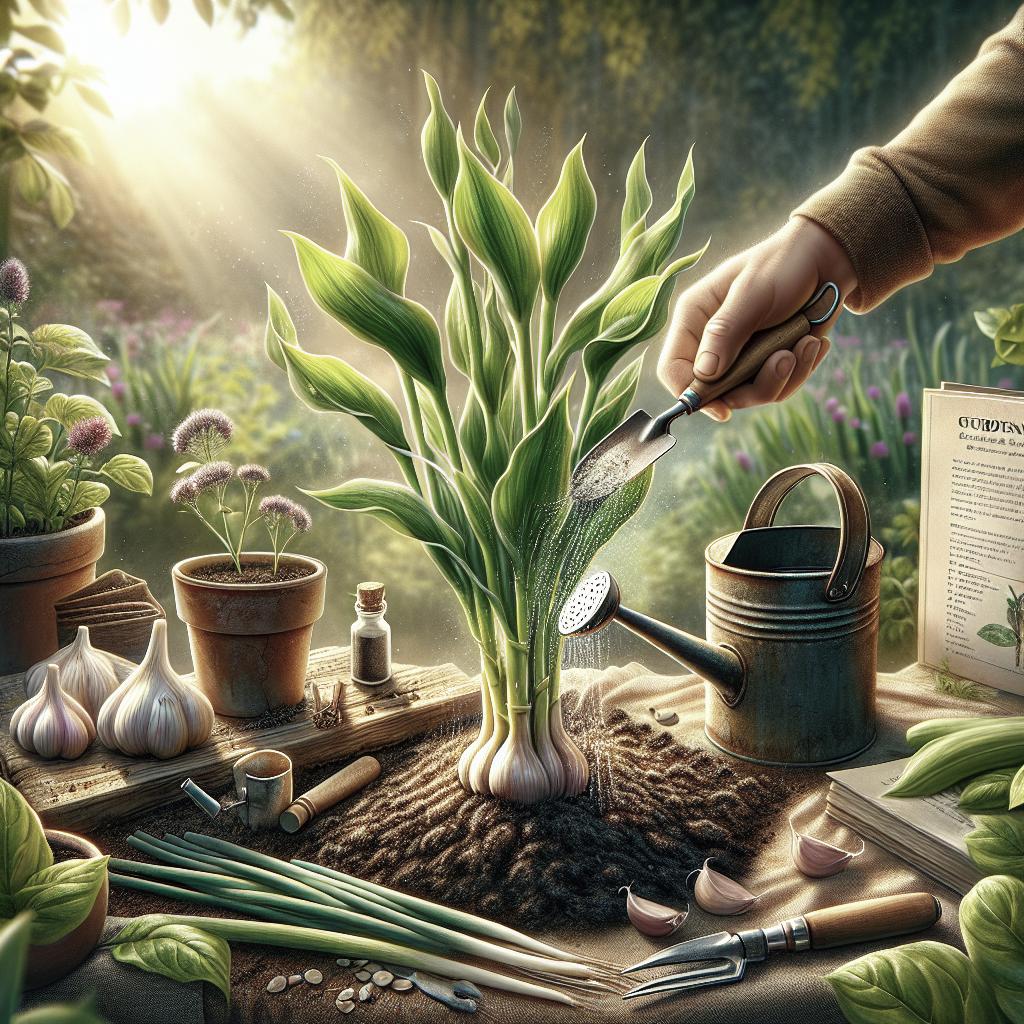
The soil should be moist but not waterlogged, with a pH between 6.0 and 7.0. Raised beds can improve drainage, and adding organic matter such as compost will enhance soil fertility. Ensure the cloves are planted pointy-side up, around 2 inches deep and 6 inches apart.
By starting your garlic in the fall, you give it the best chance for a larger and healthier harvest in the summer.
Plant Two or More Different Garlic Varieties
Diversifying your garlic crop by planting multiple varieties offers several advantages. By doing so, you increase the chances of successful growth, as different varieties may react differently to specific weather conditions or soil types.
Hardneck varieties, such as Rocambole, are well-suited for areas with cold winters, while softneck varieties, like Artichoke, tend to do better in warmer climates. Mixing these varieties in your garden can help ensure at least one type will flourish, regardless of seasonal variations.
Experimenting with different garlic types can also add complexity to your culinary uses, providing a range of flavors and strengths to enhance your dishes.
Plant Large Single Cloves
When selecting cloves for planting, size matters. Large, healthy cloves typically result in robust plants and larger garlic bulbs. The reduced stress from more substantial nutrient reserves helps these cloves develop into healthy plants.
It’s crucial to source your planting cloves from reputable providers to ensure quality and disease-free bulbs. While separating cloves, be gentle to avoid damaging the base where roots emerge.
Opting for sizable cloves not only boosts your harvest’s quantity but also its quality, with larger bulbs perfect for culinary uses or selling at local markets.
Mulch Through Winter
To protect your garlic plants during winter, apply a thick layer of mulch around the base of the plants. Mulch insulates the soil, maintaining consistent temperatures and moisture levels, and reduces weed competition.
Materials such as straw, hay, or shredded leaves are excellent mulch options, ideally spread 4-6 inches deep. As a bonus, mulch can break down over time, enriching the soil with organic nutrients.
While aiding your garlic’s growth, mulching contributes to a sustainable garden ecosystem by promoting soil health and reducing labor-intensive weeding.
Prepare for Pests and Diseases
Garlic is generally resilient to pests, but issues can still arise. Common pests include onion maggots and nematodes, which can be avoided by rotating crops and maintaining proper soil health.
Diseases such as white rot and rust may affect your garlic plants. To combat these, ensure your plants have proper spacing for airflow and employ crop rotation strategies. Avoid overwatering and remove any infected plants promptly to prevent spread.
Proactive measures and regular monitoring are key to maintaining a healthy garlic crop, saving you time and resources in the long run.
Cure Dry and Dirty
After harvesting your garlic, curing it correctly is essential for a long-lasting product. Start by brushing off excess dirt, but avoid washing the bulbs, as moisture can encourage mold or rot.
Hang or spread the garlic in a well-ventilated, dry area out of direct sunlight. Curing typically takes two to three weeks and helps ensure a longer shelf life and heightened flavor.
Once cured, trim the roots and stalks, and store your garlic in a cool, dark, and dry location, ensuring you have homegrown garlic available for months.
Garden Planning Apps
To streamline your garlic-growing process, consider using garden planning apps. These tools can help you design efficient garden layouts, track planting dates, and monitor your crop’s health.
Popular apps include Garden Planner and Planter, offering features such as planting reminders, pest alerts, and valuable insights from gardening communities, fostering a smarter and more informed gardening experience.
Integrating technology into your gardening routine can save time and improve yields, making your gardening experience both rewarding and productive.
Plants Related to This Article
Garlic shares the Allium family with onions, leeks, and shallots. These plants often thrive in similar growing conditions, offering companion planting benefits.
By planting these related crops together, you enhance flavor development while potentially reducing pest issues in your garden.
Bugs, Beneficial Insects and Plant Diseases
While pests can be problematic, not all bugs are foes. Beneficial insects such as ladybugs and lacewings can control unwanted pests naturally.
Encouraging biodiversity in your garden helps maintain a healthy ecosystem, reducing the need for chemical interventions.
Want to Receive Alerts When Pests are Heading Your Way?
Consider subscribing to pest alert services or using garden apps with alert features. These services notify you of pest activities based on your region, allowing you to take preventative action.
Staying informed through these resources helps protect your crops, reducing potential damages and improving your yields.
Comments
We’d love to hear your thoughts and experiences in growing garlic. Feel free to leave a comment below and share tips or ask questions. Engaging with fellow gardening enthusiasts can provide new insights and inspiration for your next planting season.
Lessons Learned: A Summary of Growing Garlic
| Tip | Key Points |
|---|---|
| Plant Garlic in Autumn | Plant in cool, moist soil; ensures winter root establishment |
| Plant Varied Garlic | Avoids total crop loss; enhances flavor diversity |
| Use Large Cloves | Larger cloves yield healthier and bigger bulbs |
| Mulch Through Winter | Insulates and protects; enriches soil with organic mulch |
| Prepare for Pests | Emphasizes rotation and monitoring for disease prevention |
| Cure Garlic | Dry in a ventilated area; ensures long-term storage |
| Garden Apps | Offers planning and alerts; enhances garden efficiency |
“`