“`html
How to Maintain a Herb Garden Throughout the Year
Maintaining a thriving herb garden all year round can be a rewarding endeavor. Whether you’re growing herbs outside or using indoor setups, understanding the right techniques is crucial for your garden’s success. In this blog post, we’ll explore essential strategies for herb gardening, such as outdoor cultivation, indoor alternatives using light setups, and why starting from seeds may not be ideal for everyone. We’ll also discuss the importance of growing herbs that align with your culinary needs, the techniques for trimming and maintaining growth, and the complementary combinations of various herb species. With these insights, you’ll be equipped to cultivate a vibrant herb garden, no matter the time of year.
If at all possible, grow them outside
Growing herbs outside allows them to thrive in natural conditions, benefiting from sunlight, rain, and natural air circulation. Outdoor herb gardens typically require less effort in terms of artificial care, as they leverage nature to provide essential growth elements. Herbs like basil, mint, and rosemary flourish in sunlight, making your garden a picturesque and aromatic haven.
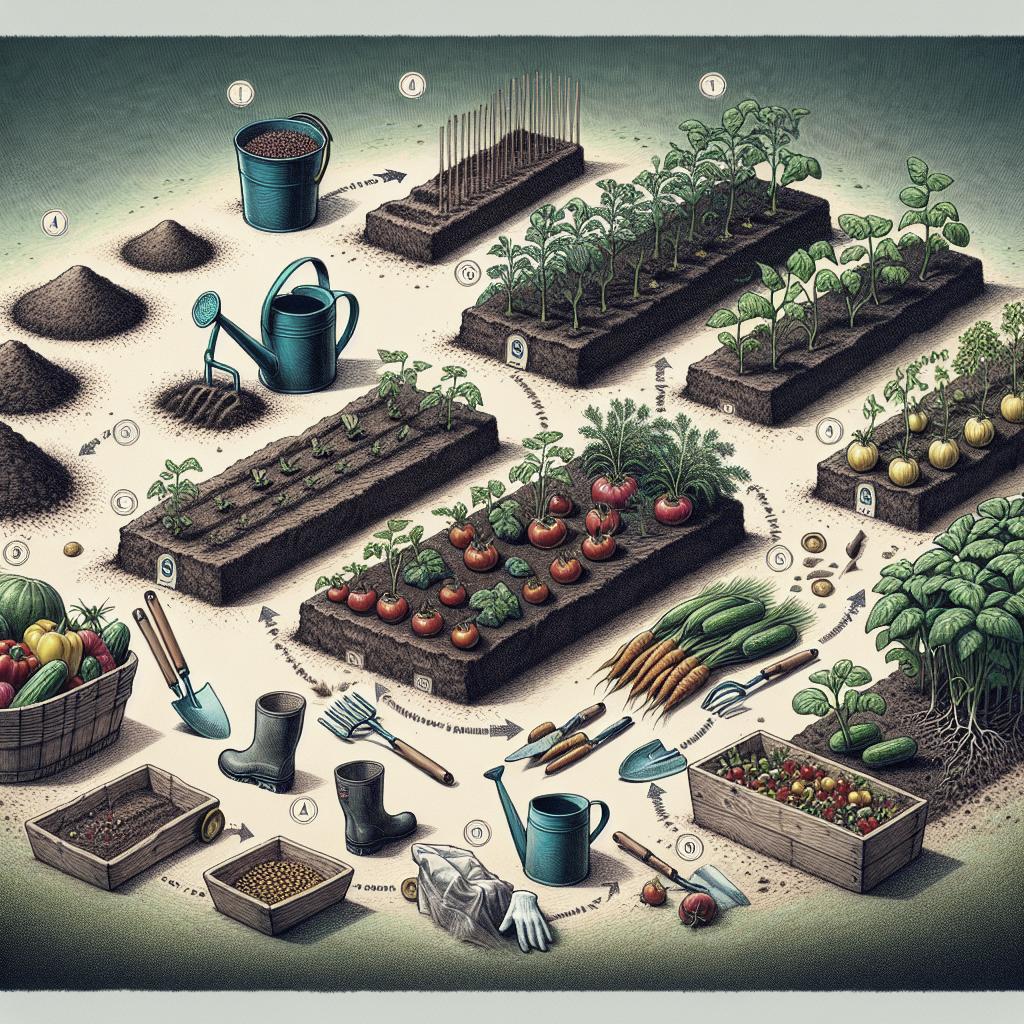
Consider planting your herbs in well-draining soil to prevent waterlogging, which can be detrimental to herb growth. Raised beds are a fantastic option for managing soil conditions and enhancing drainage. Ensure that your herbs receive at least six hours of sunlight daily, adjusting their positioning as needed throughout the changing seasons.
Another advantage of outdoor herb gardens is natural pest management. Encourage beneficial insects such as ladybugs, which prey on potential herb-damaging pests. With strategic placement and planning, an outdoor herb garden can remain robust and yield a plentiful harvest all year.
But if you absolutely can’t, get a light setup
If outdoor gardening isn’t feasible, a reliable indoor light setup can bridge the gap. The key is to simulate natural sunlight as closely as possible. Fluorescent grow lights or LED grow lights are excellent choices, offering the full spectrum of light needed for healthy herb development.
When setting up indoor grow lights, keep them at an appropriate distance from the plants—usually about 6 to 12 inches above—depending on the light’s intensity and the specific needs of the herb. Pay attention to the light cycle: most herbs do well with about 14-16 hours of light per day, mimicking the long days of summer.
Proper air circulation is also important in an indoor setup to prevent mold and encourage even growth. Use fans to promote airflow and help your herbs stay healthy. With the right combination of light and air, your indoor herb garden can thrive as vibrantly as any outdoor counterpart.
Seeds are not for beginners
Starting a herb garden from seeds can be a rewarding process but is often more suited for experienced gardeners. Seeds require careful attention through their initial vulnerable stages, including controlled temperature and moisture levels—conditions that require some expertise to manage effectively.
For beginners, starting with established herb plants from a nursery offers a head start. Transplants are less labor-intensive initially and provide a visual representation of how a healthy plant should appear, helping new gardeners recognize signs of distress or disease early.
If you still wish to grow herbs from seeds eventually, consider practicing with easier-to-grow varieties like cilantro or dill. Working with these can provide valuable insights into the germination process and acclimatize you to more intricate gardening techniques over time.
Grow what you eat
When planning a herb garden, focusing on herbs that you frequently use in your kitchen is a practical approach. This ensures that your efforts are not only rewarding but functional, offering fresh flavors directly from your garden to your meals.
Common culinary herbs such as basil, oregano, and thyme are favorites for most households. They are versatile, enhancing various dishes and contributing to a robust home cooking repertoire. Growing what you love to eat reduces waste and encourages you to experiment with new recipes that highlight these fresh flavors.
Seasonal preferences might also influence your choices; during summer, you might opt for a vibrant supply of basil and mint, while in cooler months, you might prefer more robust herbs like sage and rosemary. This personal connection to your garden adds enjoyment to the maintenance routine and provides delicious rewards.
Know how to trim
Trimming, or pruning, is a fundamental skill in maintaining a healthy herb garden. It’s essential for promoting bushier growth and preventing the plant from becoming leggy. Regular trimmings also encourage continued production of fresh leaves.
For herbs like basil, pinch off the top sets of leaves, which encourages lateral growth and results in a fuller plant. It’s often best to refrain from trimming more than a third of the plant at once, allowing the herb to recover and maintain its vigorous growth.
Observing your herbs regularly will reveal specific needs, such as thinning overcrowded seedlings or removing dead plant material to prevent disease. Each herb may have slightly different pruning requirements, so it’s beneficial to research and get to know the specifics of the varieties you are cultivating.
Know which plants work best together
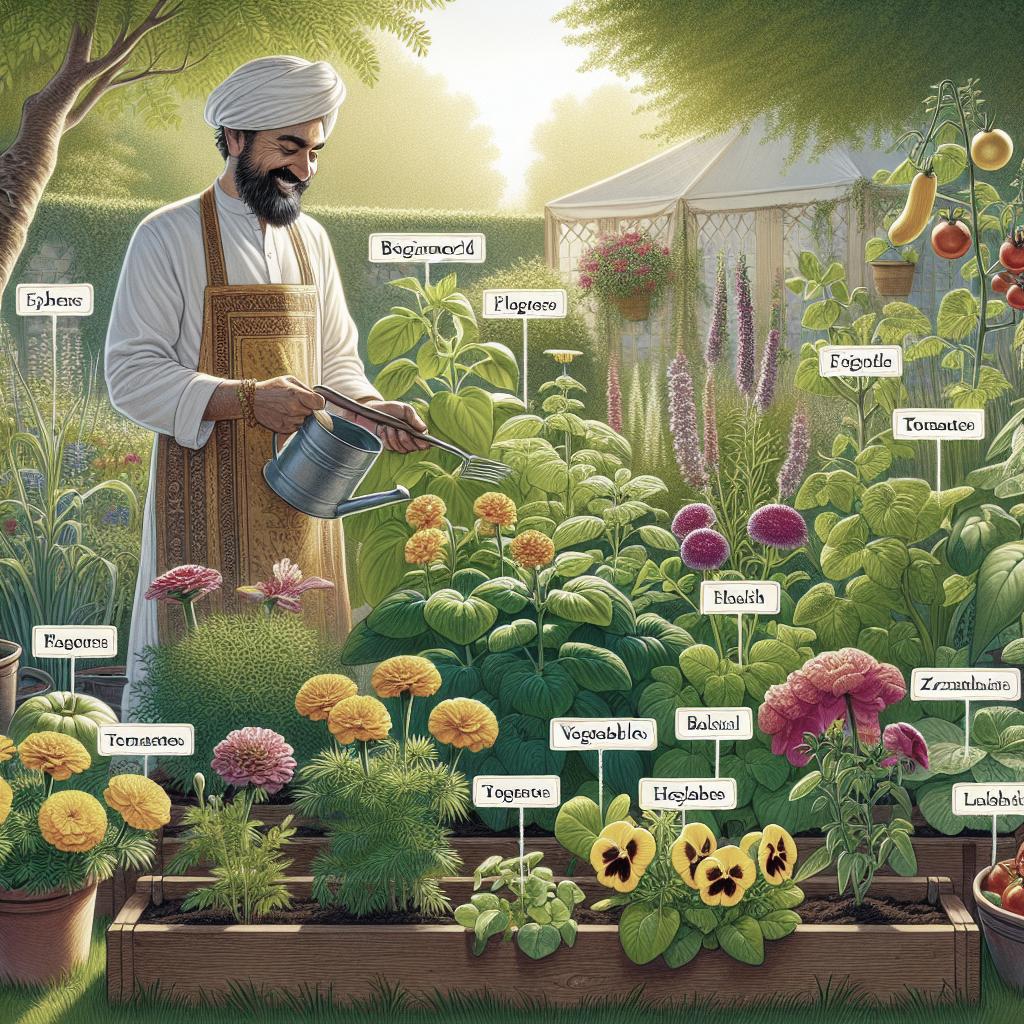
Companion planting is a valuable strategy in herb gardening, leveraging the natural benefits that certain plants provide to each other. Some herbs can enhance growth, attract beneficial insects, or repel pests when planted together.
For example, basil and tomatoes are excellent companions, as basil can help repel insect pests, and their growing requirements complement each other. Likewise, chives and carrots can grow harmoniously, with chives providing a natural deterrent to carrot flies.
When planning your garden layout, consider which herbs can benefit each other, creating a balanced ecosystem. This strategic placement can reduce the need for chemical pesticides and foster a more resilient herb garden. Understanding these relationships not only optimizes garden health but also enhances your gardening practices.
Future Prospects
| Topic | Key Points |
|---|---|
| If at all possible, grow them outside | Utilize natural conditions, ensure sunlight, and encourage beneficial insects. |
| But if you absolutely can’t, get a light setup | Use grow lights, ensure proper distance and light cycles, promote air circulation. |
| Seeds are not for beginners | Start with transplants for beginners; use seeds for experience. |
| Grow what you eat | Choose herbs used frequently in cooking, reduce waste, and explore recipes. |
| Know how to trim | Promote bushy growth, avoid excessive trimming, observe specific needs. |
| Know which plants work best together | Utilize companion planting for natural benefits, create a balanced ecosystem. |
“`