“`html
The Essentials of Square Foot Gardening
Are you seeking a method to grow a variety of plants efficiently in a small space? Square foot gardening might be the perfect solution. In this blog post, we’ll explore what square foot gardening is, its benefits, and how to start your own. From selecting the right location to crafting the perfect soil mixture, we’ll delve into the basics and provide tips on planning and maintaining your garden. Additionally, we’ll suggest crops ideal for square foot gardening and common questions beginners might have. Whether you’re a seasoned gardener or a beginner, this guide will help you maximize your gardening efforts effectively and sustainably. Let’s dive into the essentials of square foot gardening and discover how you can cultivate a productive and colorful garden with minimal space and effort.
What is Square Foot Gardening?
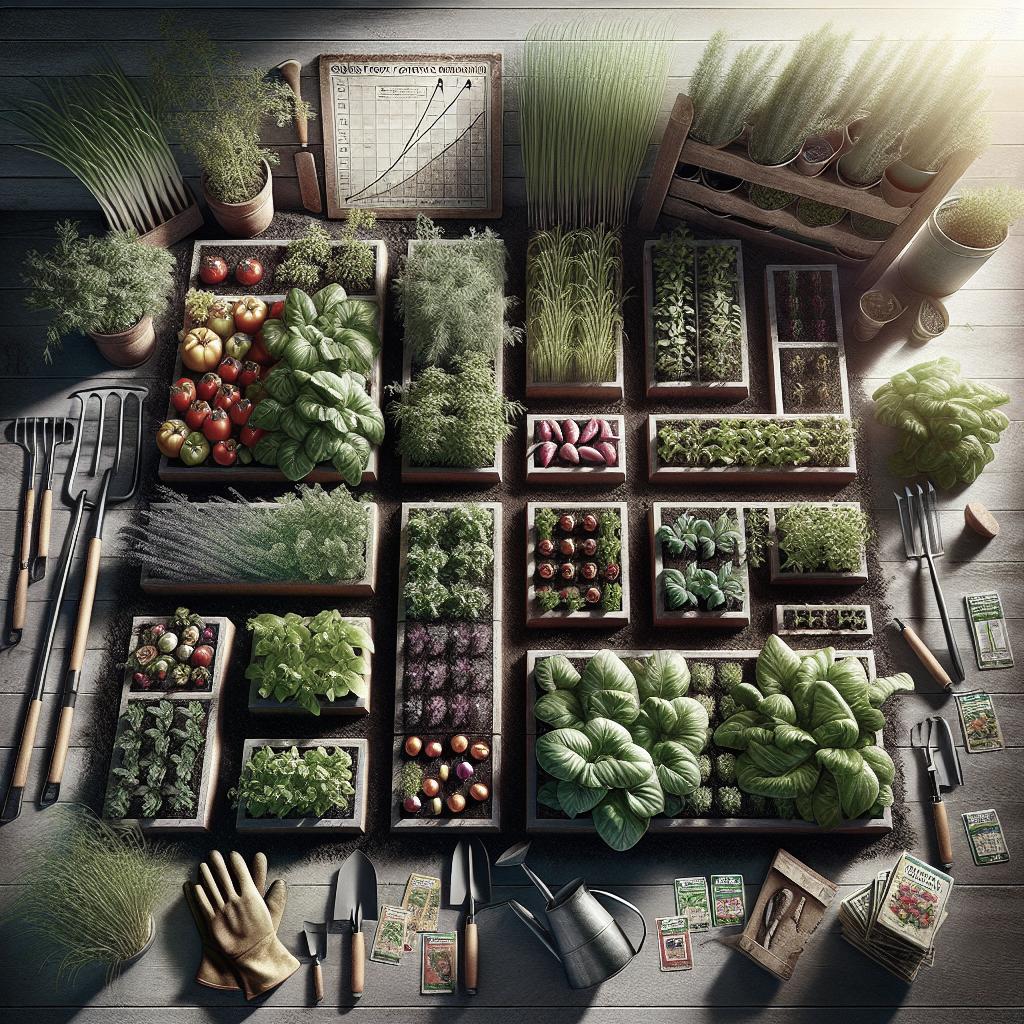
Square foot gardening is a revolutionary method developed by Mel Bartholomew that simplifies gardening by dividing growing spaces into small, manageable sections. This approach encourages efficiency by maximizing the use of space while minimizing waste and workload. Typically organized into square blocks, each measuring one foot on all sides, this method allows gardeners to plant a variety of crops with specific densities tailored to each plant’s needs.
The primary aim of square foot gardening is to make gardening accessible to anyone, regardless of their gardening experience or available space. The method’s beauty lies in its simplicity, allowing even beginners to grow vibrant and productive gardens while employing minimal resources.
Why Grow a Square Foot Garden?
The benefits of square foot gardening are numerous and significant. One of its most appealing advantages is its efficient use of space, making it ideal for urban gardeners or those with limited outdoor areas. By concentrating crops into defined sections, you maximize every inch of your garden, reducing the need for sprawling garden beds that are harder to maintain.
Moreover, square foot gardening reduces the workload typically associated with traditional gardening. With clearly defined sections, it’s easier to manage, water, and weed your garden, resulting in a healthier and more productive yield. This method also reduces water usage and soil compaction, contributing to sustainable gardening practices.
How to Build a Square Foot Garden
Where to Put It
Choosing the right location for your square foot garden is crucial for its success. Ideally, select a spot that receives at least 6-8 hours of sunlight daily, as most vegetables and flowers flourish with ample light. Examine your property’s wind conditions and evaluate natural obstacles that could cast shade.
Don’t forget to position your garden near a water source. Having easy access to water ensures that your plants won’t suffer from undue stress, especially during dry spells. Considering accessibility for maintenance tasks helps incorporate practicality into your garden’s location.
Square Foot Garden Layout
Designing an effective layout is a key step in setting up your square foot garden. Start by mapping out the number of square foot sections you’ll need, arranging them in a grid to facilitate organization. Determine the crops you want to grow and research the optimal plant density for each, which dictates how many plants can be planted per square.
More than just an organizational tool, the layout of your garden should reflect your preferences and priorities. Some gardeners focus on aesthetically pleasing arrangements, while others prioritize maximizing productivity. Tailor the layout to meet your gardening aims and let it guide your planting decisions.
How to Build a Raised Garden Bed
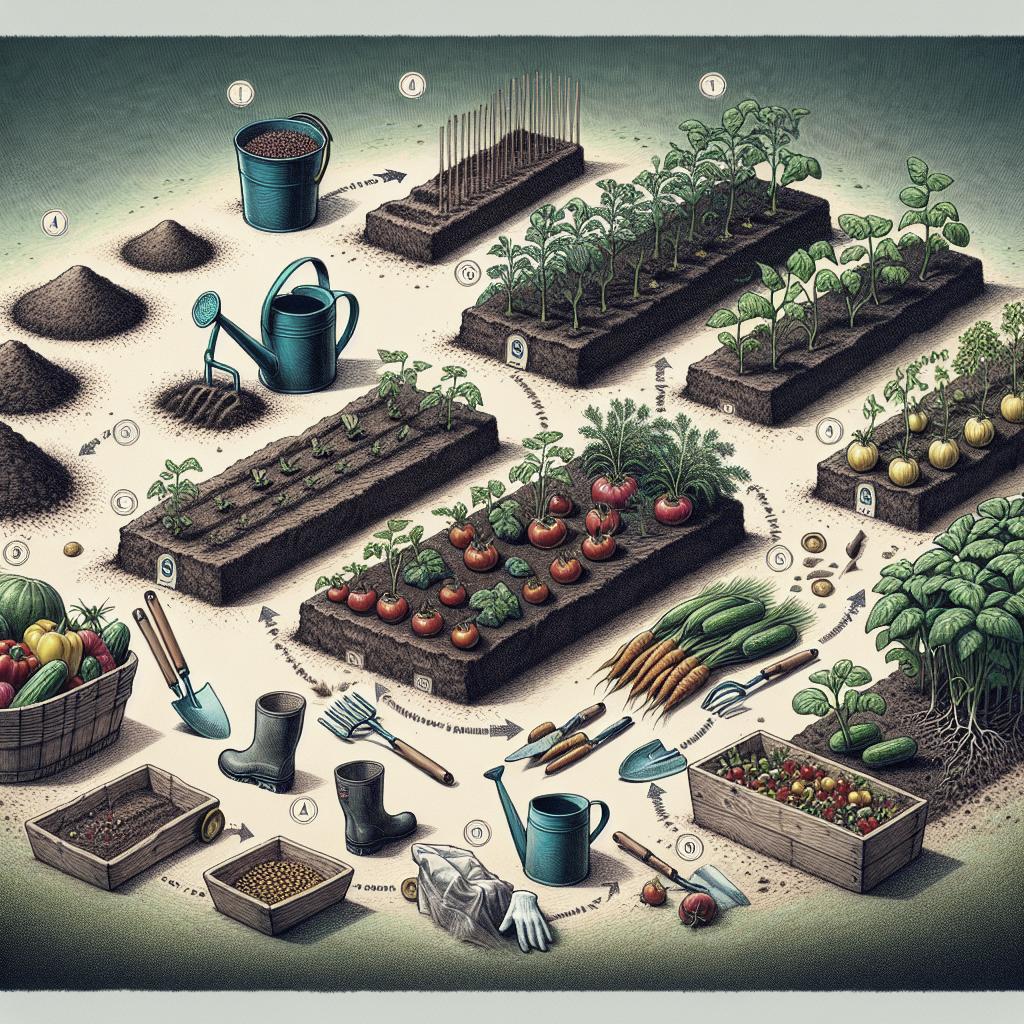
Building a raised garden bed involves creating a solid foundation for your square foot sections. Begin by gathering materials such as wood boards, screws, and a level. Construct a frame, typically 4×4 feet in size, ensuring the corners join neatly for stability. Once crafted, position the frame in your chosen location.
Make sure the bed is level to promote even water distribution and soil retention. Install a weed barrier at the base, using landscape fabric, to prevent weeds from emerging while allowing for proper drainage. Finally, check the structural integrity to ensure the frame can withstand seasonal changes and continual use.
How to Make the Soil Mixture
A well-crafted soil mixture is vital for a thriving square foot garden. Aim for a mix composed of equal parts peat moss, vermiculite, and compost. This combination provides optimal drainage, aeration, and nutrient availability, creating a hospitable environment for plant growth.
To develop rich compost, use a variety of decomposed organic materials such as kitchen scraps, shredded leaves, and grass clippings. By ensuring your soil mix is rich in fertility and structure, you’re equipping your plants for success, leading to a healthier and more productive garden.
Square Foot Gardening Basics
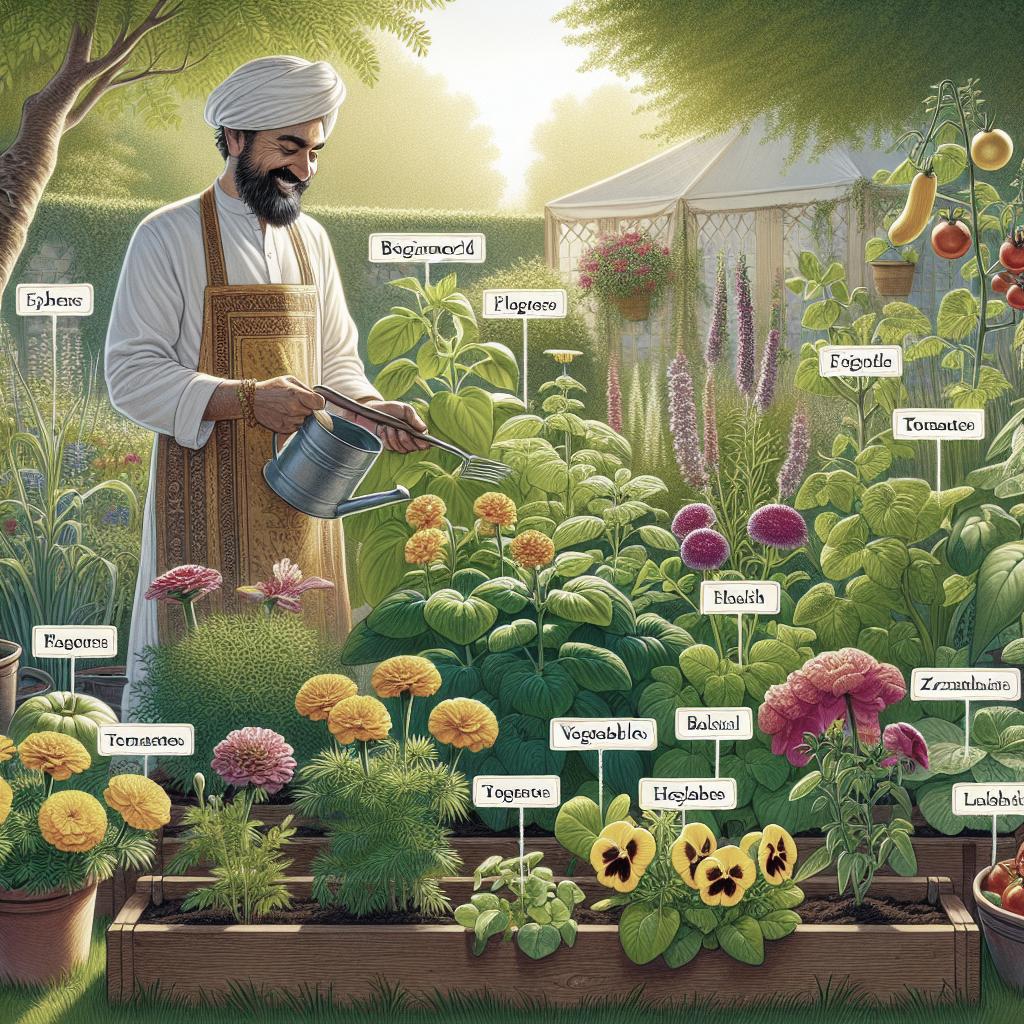
Now that your garden is ready, familiarize yourself with its foundational principles. Rotating crops seasonally prevents depletion of soil nutrients, helping maintain a balanced ecosystem. Companion planting also plays a role, as certain plants repel pests, attract beneficial insects, and enhance flavors.
Keep track of planting and harvest dates to ensure timely interventions such as thinning and replanting. Frequent monitoring allows you to promptly identify and address potential problems, leading to robust plant growth. Regular maintenance boosts the overall health and productivity of your garden.
What Crops to Grow
Selecting the right crops for square foot gardening is vital to its success. Consider plants like lettuce, radishes, carrots, and onions that fit snugly into one square foot. Medium-sized plants like tomatoes and peppers require extra space but make excellent use of vertical growth.
Many gardeners prefer herbs like basil, cilantro, and parsley, which thrive in smaller spaces and provide fresh flavor bursts. Match your crop selection with your culinary preferences and your region’s climate for the best results, fostering a personalized garden experience.
Gardening Tips
Effective pest management is essential for a flourishing garden. Employ natural deterrents like neem oil or diatomaceous earth to repel unwanted insects. Encouraging beneficial insects such as ladybugs can also help maintain a balanced ecosystem without resorting to harmful chemicals.
Given the limited space of a square foot garden, practicing succession planting by rotating quick-growing crops after harvest prolongs productivity. It’s an excellent strategy for maintaining continual yields, ensuring a constant supply of fresh produce throughout the growing season.
FAQ About Square Foot Gardening
Square foot gardening might prompt several queries, especially from beginners. One common question is how to maintain soil fertility—this can be achieved by adding fresh compost to your beds after each harvest, rejuvenating nutrients for the next cycle of plants.
Another frequent concern is plant overcrowding, but a properly planned layout should prevent this. Ensure each plant receives adequate light, water, and airflow, adjusting spacing as they grow. Stay proactive by seeking advice and learning from experienced square foot gardeners.
Get a Helping Hand
Related Posts
Learn more about sustainable gardening methods by exploring our archives. Posts on companion planting, indoor gardening, and water-saving techniques offer invaluable insights for those seeking to broaden their gardening knowledge.
Michelle Selzer
Passionate about transforming yards into vibrant living spaces, Michelle Selzer provides tips on designing aesthetically pleasing and productive gardens. Benefit from her wealth of experience and discover how to elevate your garden to the next level.
Yard Work at the Click of a Button
Whether you need assistance with landscaping or want to outsource labor-intensive tasks, services like TaskRabbit connect you with experienced gardeners and laborers. Streamline your garden’s upkeep and ensure an efficient return on your investment.
Services
If gardening seems daunting, consider professional landscaping services to assist with initial setup and ongoing maintenance. Qualified horticulturists and landscapers bring expertise to your project, helping you navigate challenges and achieve remarkable results.
Look for services offering complete packages, which might include garden design, installation, and seasonal maintenance tailored to your site’s specific needs. Investing in these services guarantees a thriving garden with minimal stress and hassle.
Next Steps
| Section | Summary |
|---|---|
| What is Square Foot Gardening? | Square foot gardening is an efficient, organized method allowing maximum gardening efficiency within a small space by using manageable one-foot sections. |
| Why Grow a Square Foot Garden? | This method reduces workload, water usage, and maximizes space, making it ideal for urban or small-space gardeners. |
| How to Build a Square Foot Garden | Important steps include choosing the right location, planning the layout, building a raised bed, and crafting a rich soil mixture. |
| Square Foot Gardening Basics | Follow practices like crop rotation, companion planting, and maintaining planting/harvest schedules to optimize your garden’s yield. |
| What Crops to Grow | Select crops based on available space and climate; focus on vegetables, herbs, and plants that optimize growth in small space. |
| Gardening Tips | Use natural pest management, practice succession planting, and ensure sustainability for continuous productivity. |
| FAQ About Square Foot Gardening | Address common questions regarding soil fertility, plant spacing, and overcoming beginner challenges. |
| Get a Helping Hand | Explore related content for deeper insights, expert advice from Michelle Selzer, and stress-free solutions for gardening tasks. |
| Services | Consider hiring professional services for setup and maintenance to ensure an efficient and thriving garden experience. |
“`