“`html
How to Grow Bananas in Your Garden
Bananas are more than just a delicious, nutritious fruit; they’re also a viable addition to your home garden. In this comprehensive guide, we’ll explore everything you need to know about growing bananas, from understanding the ideal conditions needed for their growth to planting and caring for banana plants. We’ll also delve into how to manage pests, maximize year-round growth, and the best time to harvest. In addition, you’ll discover interesting historical facts and health benefits associated with bananas. Whether you’re a seasoned gardener or a beginner, this post will equip you with all the knowledge necessary to grow bananas successfully in your garden.
Growing Bananas!
Growing bananas may initially seem like a daunting task, given their tropical origins, but with the right information and techniques, it can be a rewarding experience. Bananas add a touch of the tropics to any landscape, providing both aesthetic appeal and delicious fruit. Despite being typically grown in warmer climates, with the proper conditions, they can be cultivated in many home gardens.
The key to successful banana cultivation is understanding their growth cycle and specific environmental needs. With adequate sunlight, water, and nutrients, your banana plants can thrive and provide you with a steady supply of fresh bananas. This guide will help you break down the process into manageable steps, ensuring that you enjoy this exotic fruit all year round. Let’s embark on this banana-growing journey together!
Ideal Conditions for Growing Bananas
Bananas thrive in warm, humid conditions, making them suited to USDA zones 9 through 11. They require temperatures between 60°F (15°C) and 80°F (27°C) to grow optimally. Ideally, the planting site should receive full sun for most of the day, as bananas are light-loving plants. Protecting them from harsh winds is also crucial, as wind can damage the leaves and hamper growth.
Soil is another vital factor in banana cultivation; these plants prefer well-draining, sandy or loamy soils enriched with organic matter. Maintaining a pH range of 5.5 to 7.0 is ideal. Bananas are heavy feeders, so providing them with nutrient-rich compost or a balanced NPK fertilizer is essential for promoting healthy growth and fruit production.
Where to Grow Bananas in Your Dome
If you’re growing bananas in a greenhouse or dome environment, controlling the temperature is essential. Maintaining the ideal temperature range of 60°F (15°C) to 80°F (27°C) is achievable in a dome, provided it is well-ventilated and protected against harsh temperature fluctuations. The use of fans and heating systems can help regulate the temperature, while shading can protect against excessive sunlight.
Maximizing the growing space within your dome involves strategic planning regarding the placement of banana plants. Since bananas can grow quite tall, they should be placed in areas with sufficient vertical clearance. This ensures that they have ample room to grow without being cramped, which can limit their development and productivity.
Planting Banana Plants
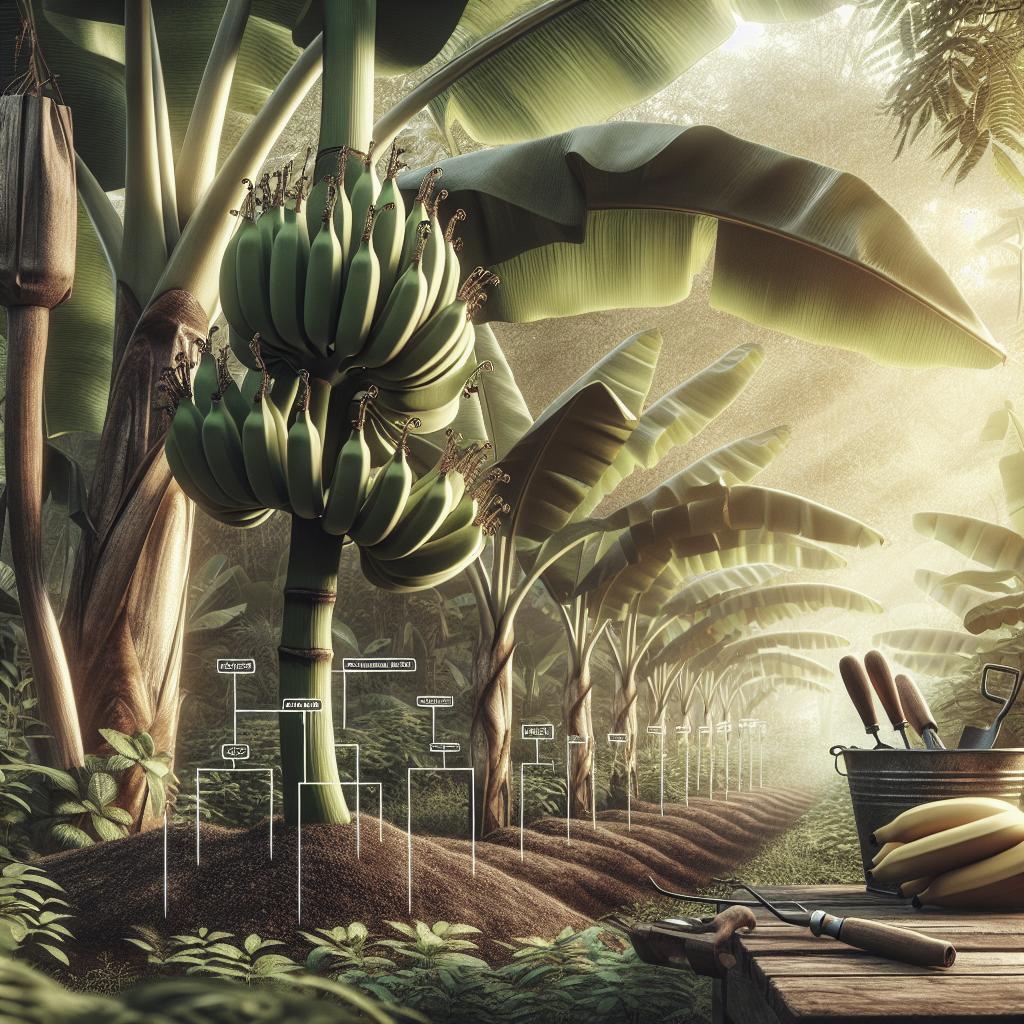
When planting bananas, starting with healthy, disease-free pup (suckers) or tissue-cultured plants is crucial. The pup should be about four to six inches tall. Plant the pups in a prepared bed or container with adequate drainage and rich, organic-rich soil. Ensure the planting hole is deep enough to cover the roots without burying the whole pup.
Spacing is critical as banana plants need room to grow! Typically, plants should be spaced 8 to 10 feet apart to allow sufficient room for their spreading roots and leaf crown. After planting, water thoroughly to help establish the roots, and mulch around the base to retain moisture and suppress weeds.
Growing Banana Companion Plants
Companion planting alongside banana plants can promote better growth and yield. Plants such as turmeric and ginger thrive alongside bananas, as they share similar soil and sun requirements. These companion plants can enhance the soil quality, deter pests, and provide additional crop yield, enriching the diversity and productivity of your garden.
Additionally, incorporating legumes like beans or peas can introduce beneficial nitrogen into the soil, supporting the nutrient-intensive needs of bananas. It’s important to ensure these companions are not too close, allowing enough room for each plant to grow without inhibiting airflow or access to light.
Caring for Banana Plants
Regular care for banana plants includes providing consistent watering, particularly during dry periods. Bananas require a regular supply of water but avoid overwatering to prevent root rot. Establishing a regular fertilization schedule with a balanced nitrogen, phosphorus, and potassium feed will support vigorous growth and fruit production.
Pruning is another essential aspect of banana care. Regularly remove dead leaves and shoots to encourage healthy growth and airflow around the plant, minimizing disease risk. Additionally, for optimal fruit production, remove all but one or two of the strongest suckers per plant, allowing plants to focus energy on fruit development.
How to Manage Pests
Bananas can fall prey to various pests like aphids, nematodes, and weevils. Using organic methods, such as introducing beneficial insects like ladybugs or employing neem oil, can help control the pest population. Regular monitoring and maintaining plant health can also reduce susceptibility to infestations.
Diseases such as Panama Disease and Black Sigatoka, though rarer in home gardens than commercial settings, can significantly affect banana plants. Promoting good air circulation, avoiding overcrowding, and choosing disease-resistant varieties can aid in disease prevention.
Growing Bananas Year-round
In regions with cooler climates, growing bananas year-round can be achieved by using greenhouses or indoor growing systems. Control over environmental factors, such as temperature and humidity, becomes critical in these setups. Supplemental lighting throughout shorter days ensures banana plants receive adequate light for continuous growth.
Implementing hydroponic systems is another method of year-round banana cultivation that allows optimal control over the growth conditions. This technology enables the delivery of precise nutrients and water levels, promoting healthy plant development even outside traditional outdoor growing seasons.
When and How to Harvest Bananas
Banana harvesting generally occurs 9 to 12 months after planting, depending on the variety and growing conditions. Indications the fruit is ready include the changes in size and fullness of bananas on the plant. Harvesting involves cutting the whole banana bunch as the fruits become plump and a little yellow in color, as they’ll continue to ripen off the plant.
After harvesting, bananas should be stored at room temperature to finish ripening. It’s crucial to handle bananas carefully when harvesting and storing to avoid bruising them, ensuring you have the freshest and tastiest fruit.
History of Growing Bananas and Some “Apeeling” Trivia
Bananas are believed to have originated in Southeast Asia, where they have been cultivated for thousands of years. Their introduction to the western world, particularly the Americas, can be traced back to the late 19th century, after which they became a staple fruit worldwide. Currently, bananas are grown in more than 135 countries.
A fascinating banana fact is that they are technically berries, and the plant is not a tree but a herb. Their peel, often discarded, is edible and packed with nutrients, and bananas can play a role in creating biofuel. Such intriguing facts make bananas not only a beloved fruit but also an area of extensive research and interest.
Health Benefits of Bananas
Bananas are well known for their remarkable health benefits, primarily due to their high potassium content, which supports heart health and aids in maintaining healthy blood pressure. They are an excellent source of vitamin C, B6, and fiber, contributing to overall digestive and immune health.
They also provide energy, making them a favored snack among athletes and physically active individuals. Their natural sugars provide a quick energy boost, while the fiber content ensures sustained energy levels, making bananas both a healthy and versatile addition to any diet.
Leave a Reply Cancel reply
Growing bananas in your garden is more than achievable with the right techniques and care, providing you not only with delicious fruit but also enriching your gardening experience. Embrace the beauty of these tropical plants and explore their full potential. Here is a summary of key points discussed:
| Topic | Summary |
|---|---|
| Ideal Conditions | Bananas need warm temperatures, full sun, and well-draining soil enriched with organic material. |
| Planting | Begin with healthy pups, provide adequate spacing, water thoroughly, and mulch to retain moisture. |
| Care | Regular watering, fertilization, and pruning are essential for healthy growth and fruit production. |
| Pest Management | Use organic methods and maintain plant health to manage pests and prevent diseases. |
| Harvesting | Harvest 9-12 months after planting when fruits are plump and slightly yellow, then allow them to ripen off the plant. |
“`