“`html
How to Manage Loam Soil in the Garden
Loam soil is considered ideal for gardening due to its balanced texture and nutrient-rich nature. This blog post will guide you through understanding and managing loam soil effectively in your garden. We will delve into vital aspects such as nutrient management, organic matter incorporation, proper watering techniques, the importance of crop rotation, and pH balancing. By exploring these topics, you’ll be equipped to maintain healthy and productive soil that will yield flourishing plants. Additionally, we’ll introduce Dirt Connections, a leading company that can assist with your loam soil needs. In closing, we’ll provide a summary of the main points to ensure you have a concise overview of how to manage and optimize loam soil in your gardening endeavors.
Know Your Loam Soil Inside Out
Loam soil is a well-balanced mixture of sand, silt, and clay, usually in approximately 40% sand, 40% silt, and 20% clay proportions. This blend provides excellent drainage while retaining essential nutrients and moisture, making it the preferred soil type for gardeners. Understanding the composition and characteristics of loam is the first step in effective soil management. Recognizing its texture and water-holding capacity can help you tailor your gardening practices to suit its specific needs.
One of the most significant advantages of loam soil is its ability to support a wide range of plant species. Its nutrient-holding capacity is superior to sandy soils, and its drainage is better than clay soils, creating an ideal environment for root growth. By familiarizing yourself with your garden’s loam soil, you can make more informed decisions regarding plant selection and soil amendments, ensuring your garden thrives.
Comprehensive Nutrient Management
Maintaining nutrient-rich soil is crucial for plant growth and productivity. With loam soil, it’s essential to routinely assess and manage the levels of nitrogen, phosphorus, and potassium. These key nutrients play critical roles in plant health, from energy transfer to photosynthesis and root development. Conducting soil tests can help you identify nutrient deficiencies, allowing you to apply appropriate fertilizers.
Organic fertilizers, like compost or manure, are excellent additions to loam soil, providing slow-release nutrients while enhancing soil structure. Balanced synthetic fertilizers can also be utilized, but it’s important to follow recommended application rates to prevent nutrient leaching and environmental damage. By carefully managing the nutrient content of loam soil, you’ll create an optimal growing environment for your plants.
Organic Matter
Incorporating organic matter into loam soil can greatly improve its structure and fertility. Organic materials such as compost, leaf mold, or well-rotted manure increase the soil’s ability to retain both nutrients and moisture. This enhanced retention helps provide consistent access to water and nutrients, essential for vigorous plant growth.
In addition to improving nutrient and moisture retention, organic matter supports a healthy soil ecosystem by fostering beneficial microorganisms. These microorganisms break down organic material, releasing nutrients back into the soil and improving soil structure over time. Regularly adding organic matter to your loam soil will lead to a more resilient garden ecosystem, promoting sustainable and productive gardening practices.
Proper Watering
Loam soil’s balanced texture allows for efficient water absorption and drainage. To manage this soil properly, it’s essential to develop a watering routine that prevents both waterlogging and drought stress. Overwatering can compact the soil and damage root systems, while underwatering can lead to nutrient deficiencies and stunted plant growth.
A useful technique is to water deeply and infrequently, ensuring that water reaches the root zone without sitting too long on the surface. Mulching is another effective strategy, as it helps retain soil moisture, reduce evaporation, and regulate soil temperature. By tailoring your watering practices to the needs of loam soil, you can maintain optimal moisture levels and support healthy plant development.
Crop Rotation
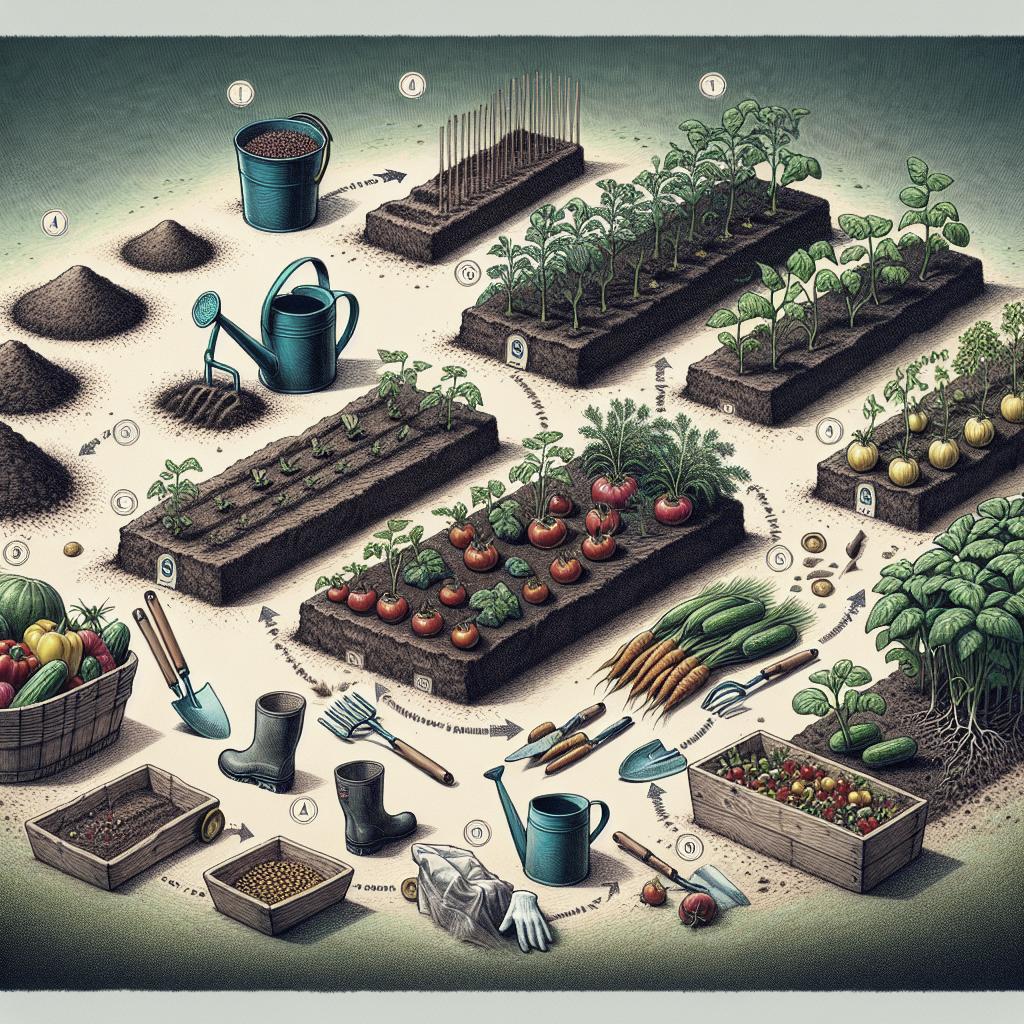
Crop rotation is a crucial management practice that helps maintain soil health and fertility. By rotating different plant families in your garden from season to season, you decrease the likelihood of pest infestations and reduce the risk of disease. Diverse crop rotations can also prevent nutrient depletion, as different plants have varying nutrient needs and root structures.
Implementing a crop rotation plan involves planning your garden layout carefully and considering seasonality. For example, you might follow legumes with leafy greens, then root vegetables, before returning to legumes. This approach can naturally enhance soil fertility, maximize plant health, and sustain the productivity of your loam soil.
The pH Factor
The pH level of your loam soil can significantly impact plant growth. Most plants prefer a slightly acidic to neutral pH range (around 6.0-7.0) for optimal nutrient uptake. Regularly testing soil pH allows you to make necessary adjustments, ensuring that your plants can access all the nutrients they need.
If your loam soil is too acidic, adding lime can help raise the pH. Conversely, if it’s too alkaline, sulfur or aluminum sulfate can be used to lower the pH. Achieving the right pH balance promotes healthy root systems and boosts plant resilience against stress and disease. Understanding and managing the pH levels of your loam soil is key to successful gardening.
Dirt Connections: Your Go-To Loam Soil Company
When managing loam soil, having access to high-quality materials is essential. Dirt Connections is a reputable supplier that specializes in providing top-quality loam soil solutions. From large-scale landscape projects to personal garden enhancements, their experienced team can assist you in finding the perfect soil mix for your needs.
Dirt Connections offers a range of products and services that support healthy soil management, including soil delivery and installation, grading, and excavation. Their commitment to customer satisfaction and sustainable practices makes them an excellent partner in your gardening journey. Rely on Dirt Connections for expertise and resourceful solutions to elevate your garden’s vitality.
Summary
| Topic | Main Points |
|---|---|
| Know Your Loam Soil Inside Out | Understand the composition and benefits of loam soil for effective management. |
| Comprehensive Nutrient Management | Regular nutrient assessments and appropriate fertilizer use support plant growth. |
| Organic Matter | Incorporating organic materials improves soil structure and supports soil ecosystems. |
| Proper Watering | Develop watering routines that balance moisture retention and drainage. |
| Crop Rotation | Diverse crop rotations prevent nutrient depletion and reduce pest and disease risks. |
| The pH Factor | Monitor and adjust soil pH for optimal nutrient availability and plant health. |
| Dirt Connections | A trusted provider for high-quality loam soil materials and services. |
“`