“`html
How to Grow Citrus Trees in Pots
Growing citrus trees in pots is an enjoyable and rewarding endeavor, especially if you have limited garden space or reside in a region with a cooler climate. Citrus trees such as lemons, limes, and oranges can thrive in containers provided that you adhere to some essential guidelines. This guide will delve into basic rules and methods for growing citrus trees in containers, the varieties best suitable for potting, and the specific growing conditions they require. We’ll cover vital elements such as light, watering, soil composition, and fertilization, and how to select the perfect pot. Additionally, we’ll explore transplanting techniques, pruning strategies, propagation by cuttings, and ways to tackle pests and diseases. By the end, you’ll have the knowledge needed to nurture healthy, fruit-bearing citrus trees right on your patio or balcony.
Growing citrus trees in pots
Basic rules for growing citrus trees in pots
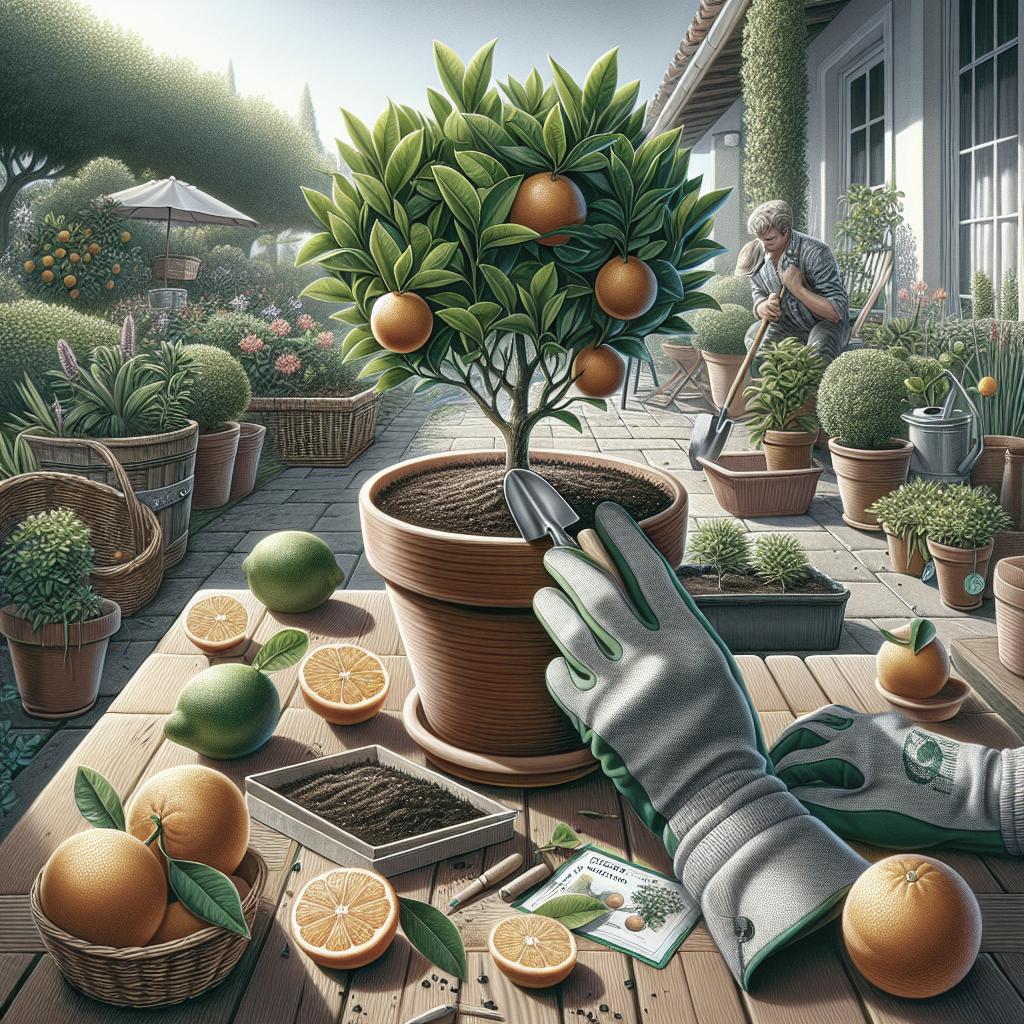
Growing citrus trees in pots requires adherence to several basic rules to ensure the health and productivity of the plants. Firstly, choose dwarf or semi-dwarf varieties, as their size is more manageable for container growing. Regularly check the drainage holes in your pots to prevent water logging, which can lead to root rot, a common ailment in container plants.
The location of the pot is crucial; ensure that your citrus tree receives adequate sunlight, at least 8 hours a day, as these plants thrive in bright conditions. Regular feeding with a balanced citrus fertilizer is also necessary to provide essential nutrients. Pay close attention to pest infestations like aphids or spider mites since potted plants are more susceptible to these invasions.
Growing methods for citrus trees in containers
One popular method for growing citrus in pots is using grafted trees, which generally produce fruit more quickly and are hardier. These trees are often grafted onto rootstocks that limit their size and promote better nutrient uptake, making them ideal for container life.
Alternatively, you can start your citrus tree from a cutting or seed, although this will require more time and patience to bear fruit. Seeds should be planted in a potting mix that offers good drainage, while cuttings benefit from a humid environment to promote root growth. Whichever method you choose, ensure your pot provides adequate room for root growth to avoid stressing the plant.
Citrus tree varieties for growing in pots
Some varieties of citrus trees are better suited for growing in pots due to their smaller size and adaptability. Meyer lemon trees are a popular choice for container growing; they are hardy and produce sweet, tangy fruit. Calamondin orange is another excellent option, cherished for its ornamental value and unique, tart flavor.
Kaffir lime trees are also highly favored among potted citrus growers, particularly for their distinct leaves used in culinary dishes. Kumquats, bearing small, nutrient-packed fruit, are perfect for container growing as well, given their compact size and the ability to withstand colder temperatures compared to other citrus varieties.
Citrus tree growing conditions
Citrus trees thrive best in warm, sunny conditions typically found in tropical and subtropical regions. However, with the right care, they can also flourish in cooler climates as long as they are protected during harsh weather. Maintaining a constant temperature along with proper watering, lighting, and feeding will help potted citrus trees grow healthily.
Light
Citrus trees need ample sunshine to thrive, typically requiring at least 8 to 12 hours of direct sunlight daily. When growing indoors or in regions with lower sunlight availability, consider supplementing with grow lights to ensure your tree receives adequate illumination. Position the pot where natural light is most abundant, such as a south-facing window or patio.
In colder climates or during winter months, monitor the light exposure, as insufficient light can cause weak growth and a higher susceptibility to diseases. Regularly turning the pot may also help encourage even growth by exposing all sides of the plant to sunlight.
Watering citrus trees in pots
Citrus trees in pots require a balanced watering schedule to maintain their health. They do best with consistent moisture, but it’s essential to avoid overwatering, which can lead to root rot. One way to determine the proper time to water is to check the top inch of soil; if it feels dry to the touch, it’s time to water.
During the growing season, increase watering frequency, but make sure excess water can easily drain out of the pot. A pot with drainage holes and a saucer can ensure that roots remain healthy. Adjust watering in winter as the plant’s needs decrease during its dormant phase.
Soil
Good soil is crucial for the well-being of citrus trees. For optimal growth, use a well-draining, sandy loam soil or a high-quality potting mix designed for acid-loving plants. Amending the mix with organic matter such as compost can also provide additional nutrients and improve soil structure.
Avoid using garden soil that may compact in a pot and reduce aeration. Regularly checking the soil condition and replacing or refreshing it every couple of years can help maintain a conducive environment for the plant’s roots.
Fertilizing citrus trees
Fertilizing citrus trees in pots is key to maintaining their health and productivity. Use a balanced, slow-release fertilizer specifically formulated for citrus or acid-loving plants to provide necessary nutrients like nitrogen, phosphorus, and potassium. Expert recommendation is to fertilize every couple of months during the growing season, from spring through summer.
In addition to granular fertilizers, liquid fertilizers can offer an immediate nutrient boost. Be mindful of signs of nutrient deficiency in your citrus trees, such as yellowing leaves, and adjust your fertilization routine accordingly. Always follow the manufacturer’s instructions for proper application to avoid over-fertilization.
How to choose the best pot for citrus trees
Selecting the right pot is crucial to the growth of citrus trees. Choose a pot that is 18 to 24 inches in diameter to allow sufficient space for root development. Ensure the pot has adequate drainage holes to facilitate proper water flow and prevent waterlogging.
The material of the pot can also affect the plant’s health. Terracotta pots offer excellent breathability and moisture regulation, compared to plastic pots, which are lighter and often more manageable. Consider the weight and durability of the pot as well; larger trees may require more robust options to ensure stability.
Transplanting citrus trees in containers
Transplanting your citrus tree into a larger container is necessary as it grows. The best time to repot is during its dormant phase in late winter or early spring. Choose a pot that is one size larger than the current container to provide ample room for growth.
Gently remove the tree from its existing pot, being careful not to damage the roots. Place it in the new container with fresh potting mix, ensuring the root ball is completely covered with soil and water thoroughly to encourage root establishment. Monitor the tree closely after transplanting for any signs of stress.
Pruning
Pruning citrus trees in pots is essential to maintain their size, shape, and health. Regularly remove dead or diseased branches to prevent the spread of pathogens. Pruning should ideally be done in early spring before new growth begins.
Shape the tree to allow adequate light penetration and airflow throughout the branches. Removing excessive growth from the center helps prevent overcrowding. Tools should be sterilized before and after use to minimize the risk of transmitting diseases between plants.
Propagating citrus by cuttings
Propagating citrus trees through cuttings can be a cost-effective way to expand your collection. Begin by selecting healthy, semi-hardwood cuttings in late spring or early summer. Cuttings should be around 6 inches long with several leaves.
Dip the cut end in rooting hormone before placing it in a well-draining potting mix. Keep the soil consistently moist and cover the cutting with a plastic bag or dome to maintain humidity. In 6 to 8 weeks, once roots have developed, the new plant can be transplanted to a larger pot.
Pests and diseases
Citrus trees in pots are susceptible to pests and diseases such as aphids, spider mites, and scale insects, which can cause significant damage if not controlled. Regular inspection of the foliage is crucial to catch infestations early. Natural pest deterrents or insecticidal soap can be effective treatments.
Diseases like root rot and citrus canker can also impact the health of container-grown trees. Ensuring proper watering practices and selecting disease-resistant varieties can help mitigate these risks. If disease does occur, removing affected areas and applying appropriate treatments will protect the rest of the plant.
Final thoughts
| Aspect | Key Points |
|---|---|
| Basic Rules | Select dwarf varieties, ensure sun exposure, monitor pests |
| Growing Methods | Use grafted trees or start from seed/cutting, provide spacious pots |
| Varieties | Meyer lemon, Calamondin orange, Kaffir lime, Kumquats |
| Growing Conditions | Warmth, humidity, protection from inclement weather |
| Light | 8-12 hours of sunlight or supplemented with grow lights |
| Watering | Consistent but avoid overwatering, adjust seasonally |
| Soil | Well-draining potting mix, regular soil refreshment |
| Fertilizing | Regular feeding with citrus specific fertilizers |
| Choosing Pots | Select 18-24 inches diameter, with good drainage |
| Transplanting | Repot when needed in early spring with fresh soil |
| Pruning | Trim excessive growth, dead or diseased limbs |
| Propagating | Use semi-hardwood cuttings, maintain humidity during rooting |
| Pests and Diseases | Regular inspections, use natural pesticides and monitor water |
“`