“`html
How to Design a Cottage Garden
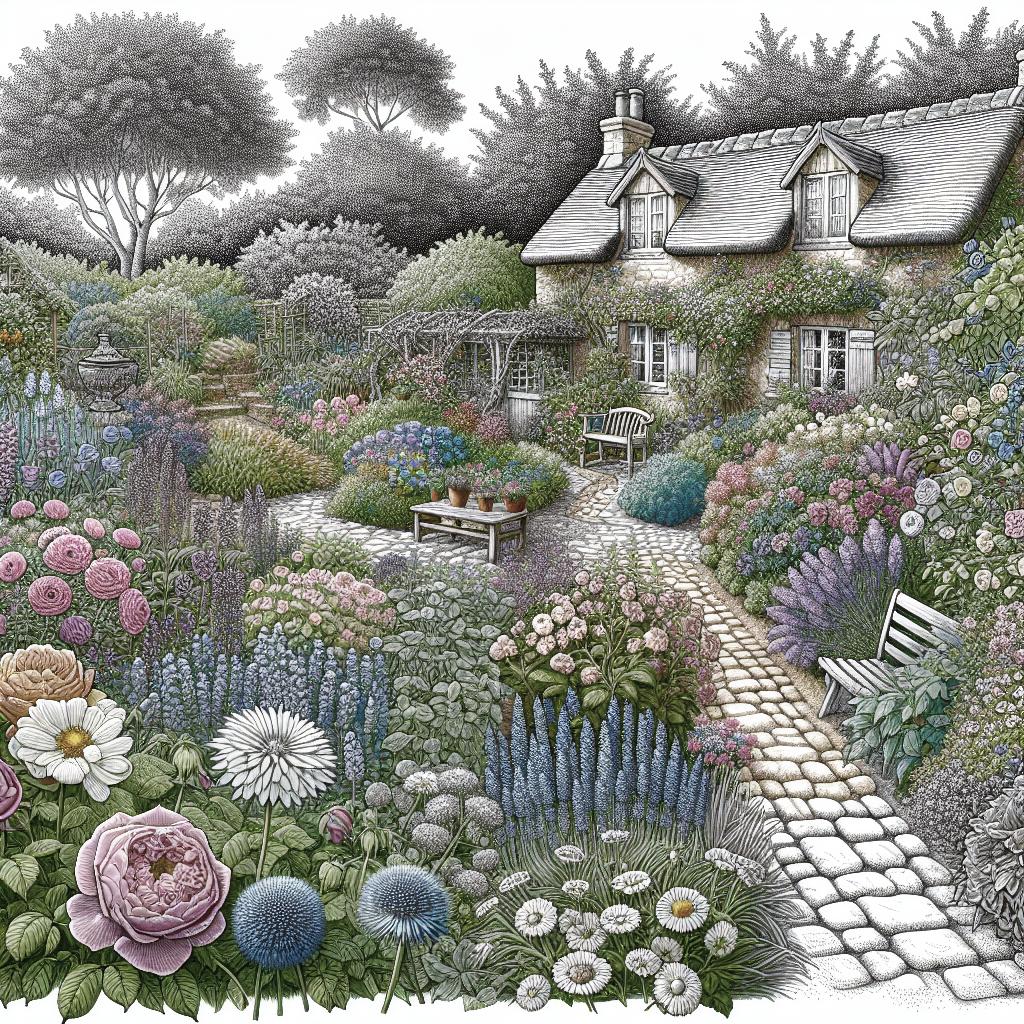
Designing a cottage garden is about embracing beauty in imperfection, achieving a harmonious blend of blooms while allowing nature to take charge. This guide will walk you through the essential elements of crafting your own cottage garden, from liberating your lawn space for plantings to crafting the perfect vintage display. Discover how to nurture your plants with a thoughtful selection, implement charming features, and design paths that invite you to explore your garden’s nooks and crannies. By the end, you’ll have a vivid picture of how to create a thriving, flourishing cottage garden that’s both enchanting and practical.
Cottage Garden Ideas
1. Get Rid of the Grass
One of the hallmark features of a classic cottage garden is the absence, or minimal presence, of a lawn. Grass requires regular maintenance, while a lush variety of ground cover plants frees up time for appreciating your garden. Consider replacing grass with low-growing perennials like creeping thyme or Irish moss, which require less mowing and add texture to your garden’s flooring.
Alternatively, use gravel or stepping stones to create pathways where grass once grew. This not only reduces upkeep but lends a natural elegance to your space. Remember that by reducing lawn space, you offer more room for ombre arrangements of flora that can sway gracefully in the wind.
2. Let Your Planting Cover All the Soil
To truly achieve the untamed beauty of a cottage garden, ensure all areas of bare soil are covered with plants. This approach allows for a dense, bountiful display reminiscent of English country gardens, where floral abundance takes center stage.
Utilize a mixture of groundcovers, shrubs, and perennials to fill in your beds. This method reduces maintenance as densely planted beds prevent the growth of weeds and help conserve soil moisture. Also, let plants naturally reseed and expand, leading to a dynamic and self-sustaining garden tapestry.
3. Frame Your Trees with Blooms
Trees are an essential structural component of any garden. In a cottage garden, framing these towering figures with vibrant blossoms adds color while emphasizing their majestic presence. Consider planting a ring of bulbs or seasonal flowers around the base of each tree.
Use a combination of complementary colors or sticking to a single hue for a more elegant look. These floral frames will not only soften the transition between lawn and tree but also enhance the overall aesthetic. This layering strategy also draws the eye upward, leading to an appreciation of both flora and foliage.
4. Add Screening to Your Cottage Garden
Privacy is often a desired element in any garden, and a cottage garden is no exception. Adding screening can provide intimate corners and cozy spots for personal reflection. Options include wooden lattice panels or trellises adorned with climbing plants like roses or clematis.
Bamboo or hedging can also serve as natural screens, adding greenery and depth to your borders. These screens not only offer privacy but also act as a focal point for the garden, encouraging a cozy, enclosed feeling generous in charm and character.
5. Make Your Own Cottage Garden Rules
While traditional cottage gardens possess certain quintessential traits, one of their greatest aspects is the flexibility they offer. Feel free to bend the conventional rules to suit your personal taste and preferences. Your space might reflect a more modern color palette or feature plants typically not found in classical designs.
Embrace varieties that appeal to you, mixing herbs with flowers or preferring annuals to perennials. The essence of a cottage garden is its ability to adapt and evolve, suiting both your whims and the natural inclination of the plants. It’s about creating a narrative uniquely your own.
6. Pick the Right Flowers
Selecting the right flowers for your cottage-style garden is part of the artistic charm. Explore mix-matching different shapes, sizes, and colors to create visual interest. Consider traditional cottage plants such as foxgloves, delphiniums, and hollyhocks for tall, captivating spikes.
Incorporate daisies and lavenders for an aromatic, softer blooming ground cover. Don’t be afraid to experiment with more exotic flowers that can add unexpected bursts of color or aroma. The choice of flowers can set the tone for your garden’s seasonal displays.
7. Install Raised Beds to Create a Sense of Order Amongst Chaos
To achieve a semblance of order in a naturally chaotic setting, consider installing raised beds. These beds define clear boundaries for planting areas, yet still accommodate the whimsical nature of cottage garden plantings. They can be constructed from various materials, from rustic wood to contemporary metal, matching your style.
Raised beds not only add vertical interest but also facilitate gardening for those with mobility issues. Use them to delineate different sections of your garden, setting the stage for distinct plant groupings that still harmonize with the wild, botanical vibe of the rest of the space.
8. Add Vertical Interest with Climbing Plants
Introducing height and depth to your garden adds intrigue and structure. Climbing plants on walls, trellises, or arbours bring the eye upward, contributing layers to explore. Roses, wisteria, and honeysuckle are classical climbing options for cottage gardens.
Allowing plants to scale vertically not only maximizes space in smaller gardens but enriches visual texture. Training these climbers requires some patience, but the reward is an enchanting spectacle of blooms cascading down structural elements, enhancing the garden’s whimsical allure.
9. Grow Plants Overhead for Instant Drama
Arbours and pergolas draped with trailing vines or flowering plants create canopied walkways that evoke mystery and drama. Opt for resilient creepers such as jasmine or passionflower to achieve this magical effect effortlessly.
The overhead blooms cast dappled shade, providing a cozy and inviting atmosphere. These overhead features become focal points in the garden where you can hang fairy lights or swing seats for those quiet, reflective moments.
10. Go for a Pink and Mauve Color Palette
Traditions often sway toward serene hues in a cottage garden, and pinks and mauves lend a timeless, calming quality. Opt for plants such as salvias, verbenas, and lilacs, which thrive in these shades and harmonize with each other.
These colors introduce a poetic touch, blending effortlessly as they overlap through seasons. Whether through lush, layered blossoms or bursts of color dotting greenery, a palette of pinks and mauves establishes balance and a seamless transition throughout your floral arrangements.
11. Plant a Wildflower Meadow in Your Cottage Garden
To fully embrace the cottage ethos of unrestrained natural growth, consider planting a wildflower meadow. This miniature ecosystem attracts pollinators and supports wildlife, adding both ecological value and a splash of rustic beauty to your garden.
Choose native wildflower mixes suited to your garden’s climate and conditions, ensuring they thrive with minimal intervention. These meadows become ever-changing tapestries through the seasons, providing an authentic country feel that ties your garden into the local landscape.
12. Use Paths and Steps to Zone Areas
Meandering paths and subtle steps can create zones within your cottage garden, guiding visitors through a journey of discovery. Natural stone, brick, or wood offer both durability and charm, blending seamlessly with abundant foliage.
These pathways create distinct areas for different garden themes or uses, such as herb sections or secret seating nooks. Their winding nature adds intrigue and can reveal new vistas upon every visit to the garden.
13. Blur the Boundaries
Instead of clearly defined lines, allow your garden to blur the boundaries. This approach encourages plants to intermingle, fostering a sense of unity between different garden sections and the wider environment.
Use hedgerows or transitional planting to fade out from one area to another, achieving a fluid transition that feels natural and organic. This method not only embodies the spirit of a cottage garden but minimizes harsh visual barriers, enhancing the garden’s welcoming embrace.
14. Fill Your Cottage Garden with Containers
Containers are a versatile and practical solution for adding variety to your planting. They provide flexibility in design and plant selection and help to introduce unique textures and colors to your cottage garden.
Opt for varied container materials, from classic terracotta pots to vintage enamel basins. This mix-and-match style aligns perfectly with the eclectic nature of cottage gardens. Strategically placed containers can also be easily rearranged, accommodating seasonal changes or new additions.
15. Bring in the Bees
The vibrancy of a cottage garden is bolstered significantly by the presence of pollinators like bees. To attract them, prioritize nectar-rich flowers such as sunflowers, borage, and lavender, which give life and movement to your beds.
Create diverse and overlapping bloom times with a varied selection of plants. This strategic planting ensures that your garden remains a hub of activity throughout the year, actively contributing to local biodiversity and pollinator conservation efforts.
16. Introduce Fragrant Plants
Fragrance plays a pivotal role in the experience of a cottage garden, enhancing its allure with soothing and alluring scents. Consider lavender, rosemary, and sweet peas, which perfume the air and add another sensory layer to your outdoor retreat.
Plant fragrant varieties along paths and near seating areas to ensure you’ll enjoy their scents as you wander through or recline in your garden. This thoughtful placement turns the garden into a haven of aromatic delight, further charming its visitors.
17. Grow Your Own Plants in a Greenhouse
Owning a small greenhouse can offer significant advantages for the cottage gardener, enabling you to nurture a wider variety of plants from seeds or cuttings. This self-sufficient method broadens your scope, providing more opportunities to experiment with plants that might be hard to source.
Greenhouses protect tender young plants from harsh weather, ensuring a steady supply of homegrown options to refresh your garden each season. Moreover, they foster a strong connection with the lifecycle of your plants, enriching your gardening experience.
18. Pick Large Roses
Roses are synonymous with cottage gardens, their large blooms imparting a sense of grandeur and timeless beauty. Consider hardy, old-fashioned varieties that feature robust blooms and delightful fragrances, adding character and charm.
Train climbing roses on trellises or arches, allowing them to blend seamlessly into the garden’s framework. Their expansive petals and rich colors complement other flora while providing habitat for beneficial insects, enhancing the garden’s ecological balance.
19. Add a Secluded Spot to Sit
Every cottage garden should have a hidden nook—a secret place where one can sit and reflect in tranquility. Craft these areas with weathered benches or charming garden furniture enveloped by foliage.
Enclosed by hedges or subtly hidden by taller plants, these intimate spaces are perfect for unwinding and appreciating your garden’s serenity away from bustling life. Such spots transform your garden into a personal sanctuary where solitude can be savoured.
20. Plant Around a Focal Point
A well-chosen focal point can anchor your cottage garden, providing contrast to the riotous plantings. This could be a statuary piece, ornamental birdbath, or an artistically arranged cluster of stones.
Flora planted around this centerpiece should enhance its presence without overshadowing it. Use differing heights, colors, and forms to amplify its visual impact, making this focal area shine as a valuable part of your garden’s overall narrative.
21. Make a Vintage Display
A nod to history, vintage displays harmonize beautifully within cottage gardens, adding layers of charm and personality. Incorporate old tool collections, wrought iron gates, or rustic watering cans filled with seasonal arrangements to evoke nostalgia.
These vintage touches impart warmth and character, seamlessly blending into the natural surroundings while speaking to the garden’s heritage. These collected treasures become conversation starters and rare finds appreciated by all who visit.
22. Get the Picket Fence Look
A quintessential element of cottage gardens is the picket fence, offering both style and a functional boundary. This iconic feature can be embraced in its traditional white hue or left to weather in natural tones for added rusticity.
Use the fence as a support not just for aesthetic purposes but also to guide climbing plants, enhancing its integration into the garden’s narrative. The picket fence delineates your space without harshness, providing a link and transition between your garden and the surrounding landscape.
23. Make Doorways Pretty
The entrances and exits of your garden are opportunities for statements of warmth and welcome. Frame doors with arches draped in blooms, using climbing plants like ivy and clematis to create a fragrant veil.
Enhance these portals with reactive furniture or potted plants that change through the seasons, embracing the dynamic nature of your garden. These pretty doorways become installments of beauty and promise, ushering visitors into your vibrant outdoor haven.
24. Escape to Nature with Dreamy Lilac
Invoke a pastoral escape by integrating lilacs into your garden landscape. Their delicate blooms radiate tranquility, while also providing bursts of color and caring for nature’s living elements.
Grow these bushes alongside border perimeters or as stand-alone, fragrant highlights. Lilacs’ beautiful hues and blooms offer a dreamlike, romantic escape, capturing the heart of any cottage garden and linking it to natural elegance.
25. Plant in Romantic Drifts
Romance is key to the appeal of a cottage garden, breathing life and passion into every corner. Capture this charm by planting in generous drifts, letting plants naturally overlap and intermingle.
This technique creates luxurious wave-like fields of color, which transform your garden into a whimsical tapestry. Allow these drifts to naturally extend and grow, enhancing their majesty and the allure of your landscape’s continuous story.
26. Add Stunners to Fill Borders
Borders brim with opportunity for ornamental display, providing the framework for a cottage garden’s vivid lifeblood. Add visually captivating ‘stunners’ like peonies and hydrangeas to your borders to create show-stopping focal points.
Fill gaps with draping verbenas or sweet-smelling freesia, ensuring depth and dimension. Make sure to balance these head-turners with subtler foliage in complementary hues, creating harmonized borders that encapsulate the spirit of an elegant countryside retreat.
27. Choose a Cottage Garden Classic
When in doubt, stay true to the classics. Time-honored favorites such as peonies, hollyhocks, and lavenders are esteemed for their reliable beauty and ability to thrive in a layered, chaotic cottage setting.
By integrating these tried-and-true plants, you ensure a visual continuity and quintessential essence reminiscent of historical cottage garden designs. They provide seasonal variety while maintaining intrinsic allure, fortifying your outdoor masterpiece with tradition and charm.
28. ‘Right Plant, Right Place’
The success of a lush cottage garden hinges on this mantra—’right plant, right place.’ Evaluate existing light conditions, soil type and drainage to create a flourishing garden where each plant is intentionally placed.
Consider microclimates created by buildings and shaded areas when allocating sun-loving versus shade-tolerant plants. Meticulous preparation, including soil amendments or seeing advice from local gardening chapters, ensures each plant’s longevity and vitality—a cornerstone of thriving garden design.
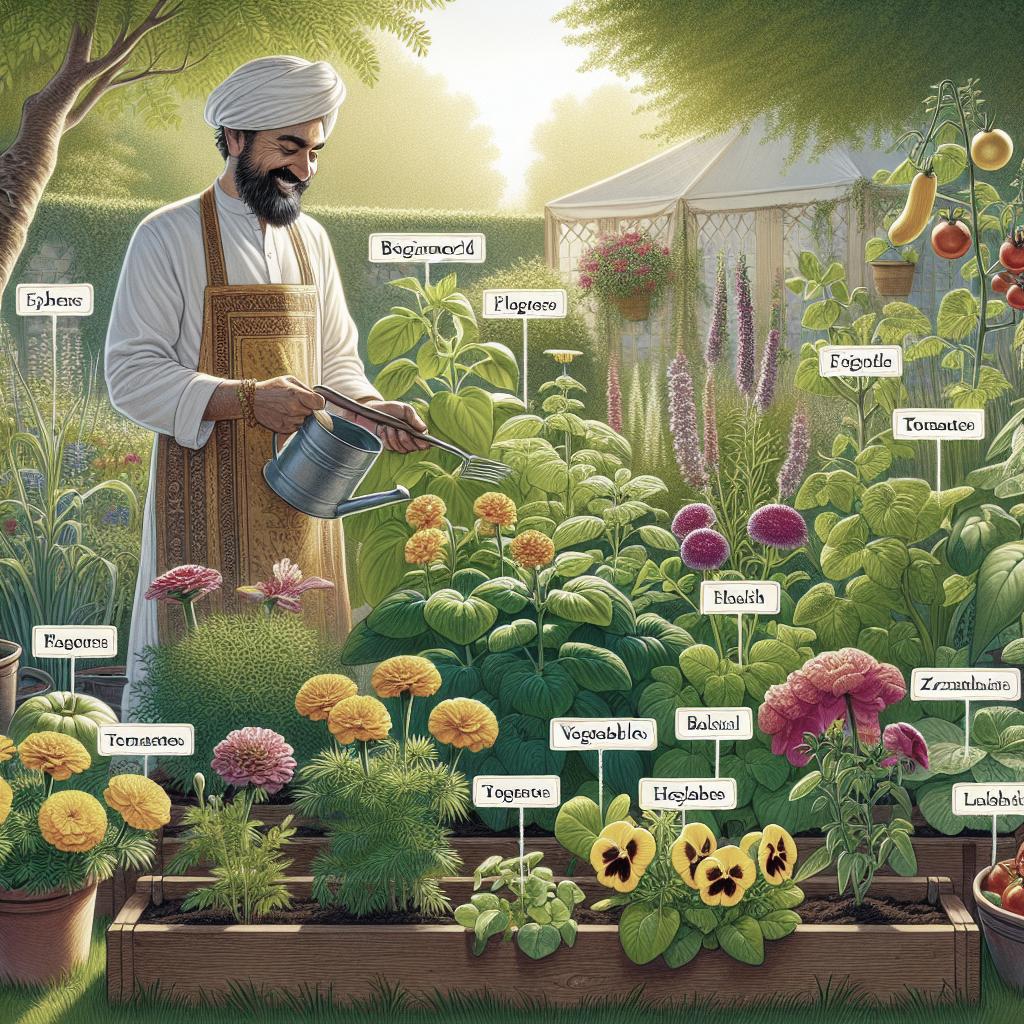
29. Combine Edibles with Flowers
Extend the bounty of your garden by integrating edibles with flowering plants. Herbs like thyme and chives can be woven into borders, offering culinary utility along with aromatic fragrance.
Attractive vegetables like kale and rainbow chard bring greenery and texture, complementing flowering elements. This harmonious cohabitation of edibles and blooms celebrates the garden’s dual role, imparting style with substance.
30. Consider Function and Form
Every piece of your garden should contribute both aesthetically and functionally. Form meets function in a thoughtfully-designed space, as everything from garden structures to plant placements should enhance the garden’s flow.
Let seating blend seamlessly into foliage, merging benches with the garden fabric. Likewise, overlays of differing hard and soft landscaping can complement plantings, ensuring every area resonates with beauty and purpose.
31. Choose the Right Hard Landscaping
Hard landscaping elements such as pathways, retaining walls, and seating are integral to a comprehensive landscape design. They should facilitate movement while anchoring expansive botanical displays in cohesive frameworks.
Utilize materials that echo your garden’s ethos, melding rough stone with pure wood or iron features for structural contrast. These solid elements ground your space, letting flora flourish exuberantly while retaining navigational coherence.
32. Consider a Cottage Garden Water Feature
Introduce a calming water feature to your garden to infuse tranquility and enhance its ambience. A softly gurgling fountain or pendulous water bowl creates a focal point for quiet contemplation.
Choose designs that complement the natural aesthetic of your garden, echoing its free-flowing spirit while evoking peace and calm. The reflective allure enhances your landscape, impressing visitors with a serene oasis ensconced in floral delight.
Sign Up to the Homes & Gardens Newsletter
For continued inspiration and tips on creating the perfect cottage garden, consider subscribing to the Homes & Gardens newsletter. Full of seasonal gardening advice, plant recommendations, and design tricks, our newsletter keeps you informed and inspired throughout your gardening journey. Sign up today to ensure fresh content is delivered directly to your inbox.
Final Thoughts
| Elements | Description |
|---|---|
| Remove Grass | Convert lawn into vibrant planting space, reducing maintenance. |
| Cover Soil | Fill beds densely with plants to prevent weeds and conserve moisture. |
| Tree Framing | Use flowers to highlight and complement garden trees. |
| Garden Screening | Add lattices or hedges for privacy and aesthetic intrigue. |
| Cottage Rules | Create a unique garden design by mixing traditional and contemporary elements. |
| Floral Selection | Pick varieties that suit your climate and desired garden aesthetic. |
| Raised Beds | Introduce order in planting with visually striking, accessible beds. |
| Vertical Climbing | Incorporate climbing plants for height and dimension. |
| Overhead Growth | Use pergolas and arbours for hanging gardens and canopy walks. |
| Color Palette | Preferring pinks and mauves creates a serene, classic look. |
| Wildflower Meadow | Support biodiversity with low-maintenance indigenous floral displays. |
| Zoned Paths | Naturally guide visitors with curving walkways and steps. |
| Blurred Boundaries | Create cohesion by intermingling plants across garden zones. |
| Container Use | Add variety with strategically placed planters for mobility. |
| Bee Magnet | Ensure pollinator presence with nectar-rich blossoms. |
| Fragrant Plants | Enhance sensory experience with aromatic species in key areas. |
| Greenhouse Growing | Use controlled environments for year-round plant cultivation. |
| Large Roses | Favor classic rose varieties for enduring beauty and scent. |
| Sitting Spots | Design hidden, inviting corners for private retreat and reflection. |
| Focal Point | Direct attention with unique elements surrounded by supportive plantings. |
| Vintage Display | Add character with curated historical collections seamlessly integrated into the garden. |
| Picket Fence | Embrace the traditional boundary that complements plant growth. |
| Pretty Doorways | Frame garden transitions with flower-wreathed entrances. |
| Dreamy Lilac | Incorporate lilacs for their color and symbolism of tranquility. |
| Romantic Drifts | Plant in fluid masses for sweeping vistas of color. |
| Border Stunners | Select attention-grabbing species to enclose and define garden areas. |
| Garden Classics | Rely on fortifying dependable staples like lavender and peonies. |
| Right Plant, Right Place | Strategically plan based on micro-environmental factors. |
| Edibles Among Flowers | Combine ornamental and functional plants for beauty and yield. |
| Function Meets Form | Balance aesthetics with practical usability in layout and features. |
| Hard Landscaping | Incorporate durable materials that underscore the garden’s organic fluidity. |
| Water Features | Select calming water elements to enhance ambience. |
“`