“`html
How to Use Grow Lights for Indoor Plants
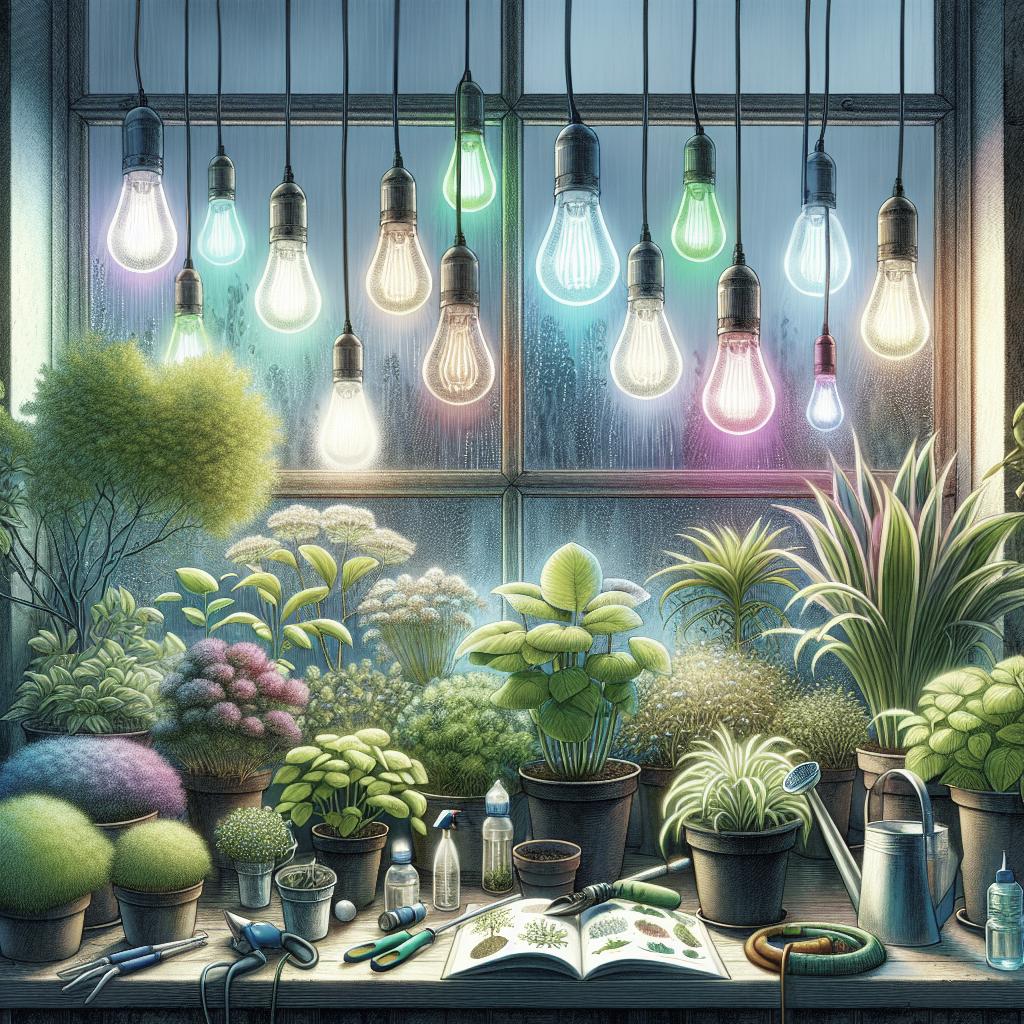
Indoor gardening has become more popular than ever, especially for those living in urban areas with limited outdoor space. Grow lights have emerged as a crucial tool for indoor plant enthusiasts seeking to bolster the growth and vigor of their plants. This guide delves into the nuances of using grow lights, exploring the differences between grow bulbs and grow lights, the optimal types of light to use, the most effective color wavelengths, and tips for proper placement and usage. By the end of this article, you’ll be equipped with the knowledge and confidence to begin or enhance your own indoor garden, utilizing grow lights effectively to ensure your plants flourish.
Getting The Light Right For Indoor Seed Starting
Starting seeds indoors can be a game-changer for the gardening season, allowing you to get a head start before the last frost. Yet, to cultivate strong and healthy seedlings, providing the correct amount and quality of light is paramount. Natural sunlight might not always be available, especially during the short days of winter. This is where grow lights come into play, offering a reliable solution for continuous and consistent light exposure.
Seedlings, in particular, require bright and intense light to prevent them from becoming leggy and weak. Under improper lighting, they may stretch towards the light source, leading to frail stems. Investing in grow lights is one way to circumvent these challenges, giving your plants the best conditions to start life robustly and healthily.
Grow Bulbs vs. Grow Lights
At first glance, grow bulbs and grow lights may seem similar, but they serve different purposes. Grow bulbs are individual light bulbs designed to fit into standard light fixtures and are often used for small-scale home gardening. They provide focused light for individual plants or small indoor gardens and can be a convenient choice for beginners or those with limited space.
Conversely, grow lights represent a broader category of dedicated lighting systems for more extensive setups. They range from fluorescent tubes to high-intensity discharge lamps and LEDs, catering to various plant sizes, growing stages, and spaces. Grow lights often come with features such as adjustable spectrum controls and timers, offering greater flexibility and optimizing plant growth in larger indoor environments.
What Type of Light Should I Use?
Choosing the right type of grow light depends on your specific needs and setup. Fluorescent lights, particularly T5 and T8 bulbs, are popular for starting seeds and growing leafy greens. They emit a bright, cool light that mimics daylight conditions. They are energy-efficient and produce minimal heat, allowing them to be placed closer to plants without causing damage.
For those growing flowering plants or fruiting vegetables, LED grow lights are often recommended. They provide a full spectrum of light which can be adjusted according to the growth stage of the plant. While the initial cost might be higher, their longevity and energy efficiency make them a worthwhile investment. Additionally, LEDs have become more advanced, offering specific wavelength settings to further tailor the light to your plants’ needs.
What Color Light is Best?
Light color, or wavelength, plays a vital role in plant growth. Plants primarily absorb light in the blue and red spectra, which correspond to different stages of their development. Blue light promotes vegetative growth, encouraging robust leaf formation and keeping plants compact. This is particularly important during the early growth stages when the plant needs to establish its structure.
Red light, on the other hand, is crucial for flowering and fruit production. It signals the plant to initiate its reproductive phase, supporting the development of flowers and, subsequently, fruits. Many modern grow lights offer a combination of both red and blue light, along with more customized spectrums, to cover a plant’s entire lifecycle effectively.
How do I Place and Use the Light?
Correct placement of your grow lights is essential to ensure plants receive adequate light without causing damage. As a general rule, fluorescent lights should be positioned about 6-12 inches above plants, while LEDs can be placed slightly higher, around 12-24 inches, depending on their intensity. Always consult the manufacturer’s guidelines as starting references for your specific light model.
Consistency is key when using grow lights. Timers can be incredibly helpful in maintaining a regular light schedule, typically between 12 to 16 hours of light per day, depending on the plant species and its growth stage. It’s important to replicate natural cycles, where plants also experience periods of darkness, indispensable for certain biochemical processes.
Get Started Growing!
With a broad understanding of the differences and capabilities of grow lights, you can now set up your indoor garden with confidence. Evaluate your space and the specific needs of your plants before purchasing a grow light system. Remember, balancing light exposure with other growth factors like hydration and nutrient availability will lead to the best results.
Starting small can help you adjust and perfect your setup. Experiment with different types, colors, and placements of lights to find the perfect condition for your indoor plant species. Grow lights can transform your ability to cultivate a thriving garden even with the constraints of indoor environments, bringing greenery and personal satisfaction to your living space.
Lessons Learned
| Aspect | Key Takeaway |
|---|---|
| Grow Bulbs vs. Grow Lights | Grow bulbs are ideal for small spaces; grow lights offer more customization for larger setups. |
| Type of Light | Fluorescents for leafy greens, LEDs for flowering/fruiting plants. |
| Color of Light | Blue light for growth, red light for flowering and fruiting. |
| Placement and Usage | Position lights appropriately and use timers for consistent exposure. |
| Getting Started | Assess plant needs and space, and adjust light use effectively. |
“`