“`html
How to Create a Children’s Garden
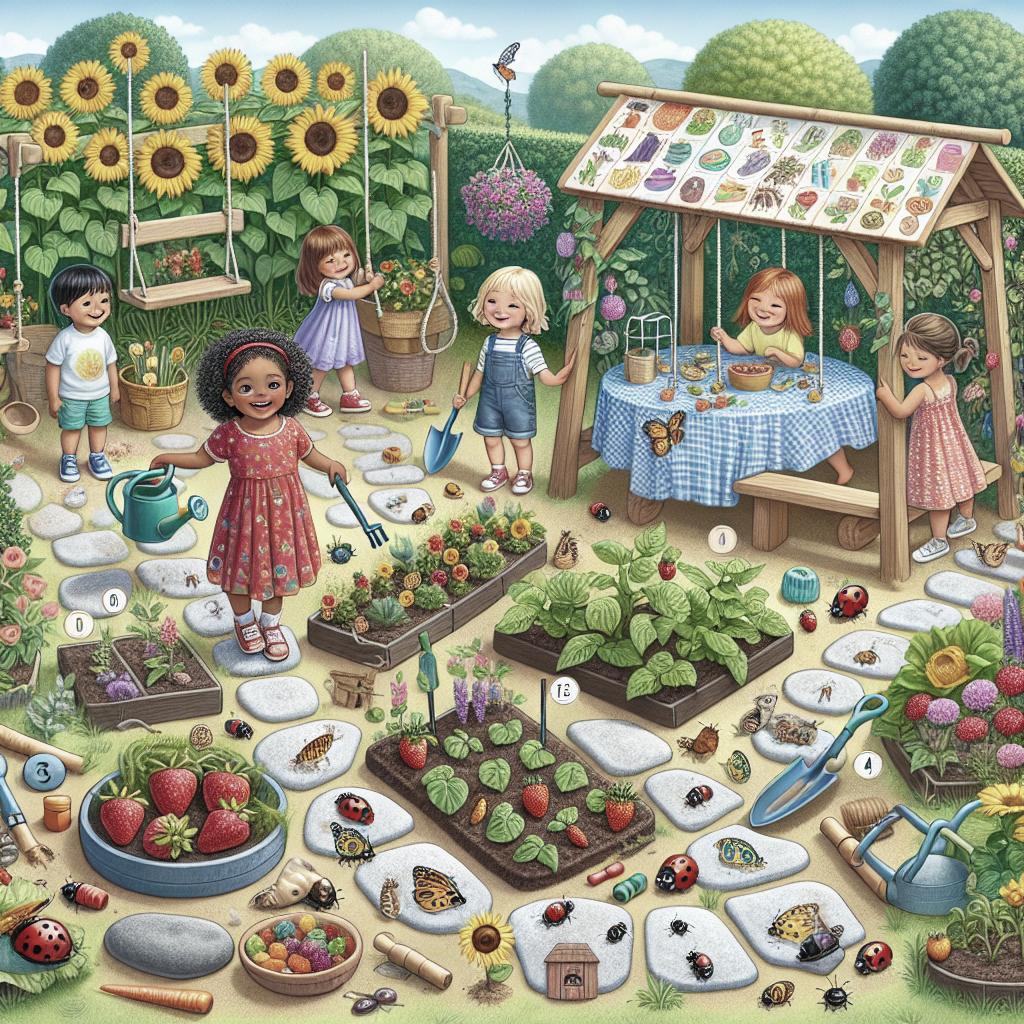
Creating a children’s garden is a wonderful way to connect young minds with the natural world, fostering a love for nature and encouraging outdoor play. This guide will take you through the steps of designing and implementing a garden that is both educational and fun for kids. We’ll explore how to brainstorm ideas together with the children, allocate appropriate space, engage their senses, make the garden imaginative, and turn those creative visions into reality. Whether you have a small balcony or a backyard, these tips will help you create a thriving space where children can grow and learn.
What You’ll Learn
In this guide, you’ll discover how to initiate and cultivate a garden that appeals to children, featuring their interests and interactive elements that make gardening exciting. We’ll discuss methods to incorporate educational opportunities seamlessly within the garden setup. The goal is for the children to have a hands-on approach that builds skills like responsibility, patience, and an understanding of ecosystems.
Furthermore, you’ll learn how to implement practical strategies to ensure the garden is tailored to the specific needs and safety of children, balancing play with the learning experience. You’ll come away with actionable insights that prompt creativity and exploration, fostering an environment where both imagination and curiosity can flourish.
Brainstorm Together
Involving children in the brainstorming process for their garden ignites excitement and ensures that the space reflects their interests. Start by asking them what type of plants they find fascinating or if there’s a particular theme they’d like to explore, such as a butterfly haven or a vegetable patch. This collaborative effort lays a foundation of ownership and enthusiasm for the project.
Encourage children to draw or write about their ideas, which can be particularly effective in vocalizing their creativity. This exercise is not just about gathering practical suggestions but also about building anticipation and understanding. Use these sessions to educate them about different plant types, seasons, and how weather affects gardening choices. This approach integrates learning with fun, making the planning phase as engaging as the execution.
Allow Ample Space
The size of your gardening area can range from a spot on a windowsill to a sprawling backyard. When allocating space, consider the types and number of plants suitable for your environment. Make sure there’s enough room for pathways so children can navigate the garden without trampling the plants. Designate areas for specific activities, like planting, watering, and observing.
Plan for growth—literally and figuratively. Plants need space to flourish, and children need space to play and learn. Introducing stepping stones, borders, or small signs can help define different zones within the garden, providing a sense of order and helping children understand the spatial arrangement. Consider the height and reach of the children when planning plant placements, ensuring that everything is accessible and engaging for them.
Engage Their Senses
A children’s garden should be a feast for the senses. Choose plants that offer various textures, scents, and colors. Herbs such as mint and lavender are great for smelling, while lamb’s ear provides a tactile experience. Brightly colored flowers can attract butterflies and bees, bringing movement and life to the space.
Incorporate elements that produce sounds, like wind chimes or rustling leaves, to complete the sensory immersion. Including edibles like strawberries, cherry tomatoes, or snap peas not only creates interest but also provides a taste element, moving the garden experience beyond just touch, sight, and smell. This multi-sensory experience grounds children, enhancing their awareness and appreciation of nature.
Make It Imaginative and Inviting
Turn the garden into a magical place by adding elements that spark imagination. Simple additions like fairy doors on trees, hidden garden gnomes, or painted rocks can transform an ordinary space into an enchanted forest or a secret hideout. Giving the garden a theme, such as a pirate island with a buried treasure, can captivate children’s imaginations and make gardening a regular adventure.
Consider designing pathways that loop through small natural archways or lightweight fabric tents hung over plant beds to add an element of discovery. Let children take ownership of small areas where they can plant and nurture personal gardens, guiding them on how to choose plants that thrive together. These playful yet educational elements encourage children to spend more time outside, tending to and exploring their garden.
Scale It Down
Smaller gardens have their unique charm and need not be any less exciting. If space is limited, utilize vertical gardening with trellises or hanging pots, maximizing your growing potential. Window boxes or small raised beds can also provide adequate gardening opportunities in limited areas, offering easy access for kids.
Within these reduced spaces, focus on fewer plant varieties that deliver high interest, such as fast-growing plants like peas, sunflowers, or radishes that can quickly show results, satisfying children’s impatience. Emphasize compact plants or dwarf varieties to maintain a proportional and manageable garden size for small hands, making the experience both personal and scalable.
Make the Vision a Reality
With ideas mapped out and space allocated, it’s time to bring the garden to life. Start with a solid plan, marking where each element will go. Involve children in the planting process, teaching them to dig, plant seeds, and water appropriately. Guide them on using gardening tools safely, cultivating skills they’ll carry into adulthood.
Set up regular garden care routines that children can easily follow, with activities like watering schedules or monthly plant checks. Celebrate their gardening milestones by organizing small garden parties or let them share their grown produce with family and friends. This nurturing process turns an abstract idea into a tangible and delightful garden experience that instills pride and responsibility in young gardeners.
Next Steps
| Step | Details |
|---|---|
| What You’ll Learn | Understanding the basics of setting up a children’s garden, focusing on fun and education. |
| Brainstorm Together | Collaboratively develop garden ideas with children, encouraging creativity and involvement. |
| Allow Ample Space | Design a garden layout that accommodates children’s activities and plant growth. |
| Engage Their Senses | Create an environment filled with sensory experiences through diverse plant selection. |
| Make It Imaginative and Inviting | Introduce imaginative elements and themed designs to engage children’s creativity. |
| Scale It Down | Optimize small spaces with vertical gardening and compact plant selections. |
| Make the Vision a Reality | Bring the plan to life with children’s involvement, establishing care routines and celebrations. |
“`