“`html
How to Mulch Your Garden for Healthy Soil
Mulching your garden is an essential practice for maintaining healthy soil and promoting plant growth. In this comprehensive guide, we will explore the importance of mulch and its role in enhancing your garden’s vitality. You’ll learn about the different types of mulch available, with a focus on organic options that nurture the ecosystem within your garden. We will also provide practical advice on the correct application techniques and timing for mulching, ensuring you get the best results for your efforts. Whether you’re a novice gardener or a seasoned pro, this guide will equip you with the knowledge to leverage mulch effectively and transform your garden into a thriving haven.
Why Is It Important to Add Mulch to Your Garden?
Mulch serves multiple purposes in a garden, acting as a protective layer over the soil surface. One of the primary benefits of mulching is moisture retention. By covering the soil, mulch reduces evaporation, helping the ground retain water longer and thus minimizing the need for frequent watering. This is especially beneficial in areas where rainfall is infrequent or during hot, dry seasons.
Adding mulch is also vital for temperature regulation. It provides insulation against temperature fluctuations, keeping soil temperatures more consistent throughout the day and night. This is crucial for root health, as severe temperature changes can stress plants and inhibit their growth. Furthermore, mulch suppresses the growth of weeds by blocking light, thus reducing competition for nutrients among garden plants.
Beyond the physical benefits, mulch can also enhance soil quality over time. As organic mulches decompose, they contribute essential nutrients to the soil, enriching it and supporting the microbial activity necessary for healthy plant life. This natural fertility boost can lead to more robust plant growth and increased productivity in fruit and vegetable gardens.
Different Types of Mulch for Your Garden
Mulch comes in various forms, each with unique benefits and purposes. Inorganic mulches, such as stones, landscape fabrics, and rubber mulch, are long-lasting and effective at weed suppression. These types are ideal for aesthetic landscaping purposes or areas where you want a maintenance-free solution.
However, inorganic mulches do not break down to feed the soil and must be supplemented with organic matter to ensure soil health. On the other hand, organic mulches, such as wood chips, straw, and bark, are dynamic in nature, breaking down over time and enriching the soil with nutrients. They are particularly suitable for vegetable gardens and mixed plant beds where soil health is a priority.
Each mulch variety also contributes differently to garden aesthetics. Inorganic options often offer a more polished look, while organic mulches provide a more natural and rustic appearance. When selecting mulch, consider both the practical and aesthetic needs of your garden space.
Here are Organic Options for Mulch:
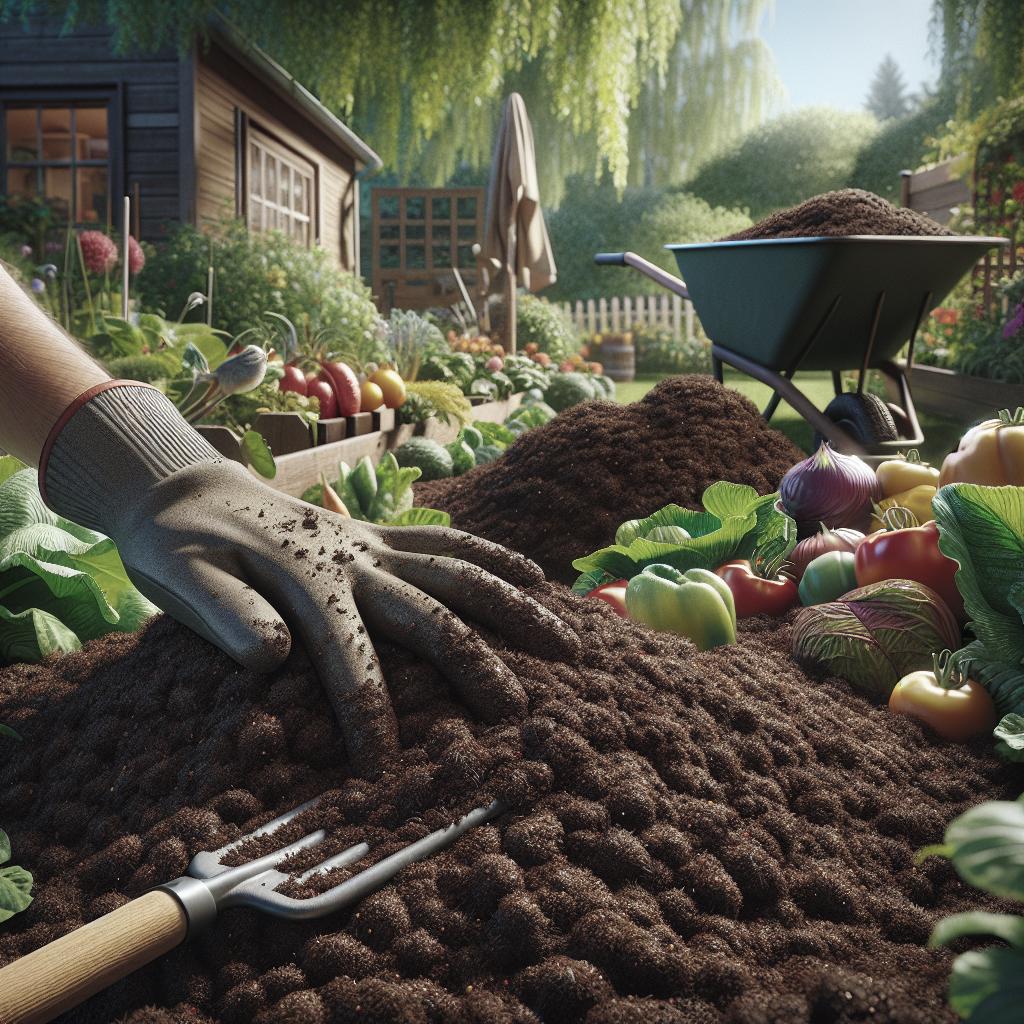
Wood chips and bark are popular organic mulch options, loved for their durability and eye-catching appearance. They decompose slowly, making them an excellent choice for long-term coverage. Often sourced from local tree trimmings, these mulches are sustainable and contribute valuable carbon to the soil as they break down.
Straw and hay are other organic choices, especially useful in vegetable gardens. They decompose more rapidly than wood-based mulches, their structure providing excellent aeration and moisture retention. Gardeners frequently use straw and hay to keep fruits and vegetables clean and free from soil splashes, especially during heavy rains.
Leaf mold and grass clippings are readily available and cost-effective organic mulches. Both provide a quick infusion of nutrients and are convenient for those maintaining a garden on a budget. However, they decompose faster, requiring more frequent replenishment to maintain their mulching benefits.
How Should I Apply Mulch to My Garden?
Proper application of mulch is critical in maximizing its benefits. Begin by thoroughly weeding the area you plan to mulch. This ensures that weeds do not have the opportunity to grow under the mulch and compete with garden plants. After weeding, water the soil adequately to establish a moist environment before laying down the mulch.
When applying mulch, aim for a layer approximately two to four inches thick. This depth is generally sufficient for most gardens, effectively suppressing weeds, retaining moisture, and providing insulation without suffocating plant roots. Ensure an even spread to cover the soil entirely, avoiding piles that can accumulate moisture and promote rot.
Be mindful to leave a gap around the stems and trunks of plants. Direct contact with mulch can lead to excessive moisture retention around the plant base, increasing the risk of disease. This practice helps to protect plants while still providing all the benefits mulch has to offer.
When Should I Apply Mulch to My Garden?
The best time to apply mulch depends on the specific needs of your garden and the local climate. Generally, spring is an optimal time for mulching. Applying mulch in spring helps to conserve soil moisture ahead of the hotter months, supports early plant growth, and suppresses the onset of weeds before they become established.
Fall is another advantageous time for mulching, particularly with organic materials that can decompose over the winter. Mulching in the fall prepares the garden for the cold, creating insulation that protects plant roots from frost damage. Additionally, it sets the stage for improved soil health by allowing organic mulches to break down gradually, enriching the soil by spring.
Mulching can also be done at any time during the growing season if soil conditions become poor or to prevent drought stress. Regularly assessing your garden’s needs will help you decide the ideal timing for mulch application and reapplication.
Final Thoughts
Mulching is a valuable gardening practice that contributes to healthier soil, more robust plant growth, and a more visually appealing garden. By understanding the different types of mulch, focusing on organic options, and applying them correctly and at the right time, you can maximize the benefits mulch offers. Whether you’re looking to conserve water, improve soil health, or enhance your garden’s aesthetic, mulching provides a simple and effective solution.
| Aspect | Details |
|---|---|
| Importance | Moisture retention, temperature regulation, weed control, soil enrichment |
| Types of Mulch | Inorganic: stones, fabric, rubber; Organic: wood chips, straw, leaf mold |
| Application | 2-4 inch layer, even spread, avoid contact with plant stems |
| Timing | Spring for moisture and weed control; Fall for root protection and soil enrichment |
“` This HTML format provides a complete blog post with a structured layout, headers, and a table summarizing key points, ensuring clarity and engagement for readers interested in mulching their gardens.