“`html
Steps for Creating a Moon Garden
Have you ever been enchanted by the idea of a garden that shines under the moonlight? A moon garden is a magical outdoor space that thrives at night, glowing with pale flowers and silvery foliage. In this blog post, we’ll guide you through the steps to create your own moon garden, from the initial planning stages to selecting the perfect plants and embellishments. Discover how to align your garden with the changing seasons and the essential elements to include, ensuring it becomes a tranquil haven for nocturnal enjoyment. Whether you’re a seasoned gardener or a budding enthusiast, this guide will inspire you to create a mesmerizing moonlit masterpiece.
How do you start a moon garden?
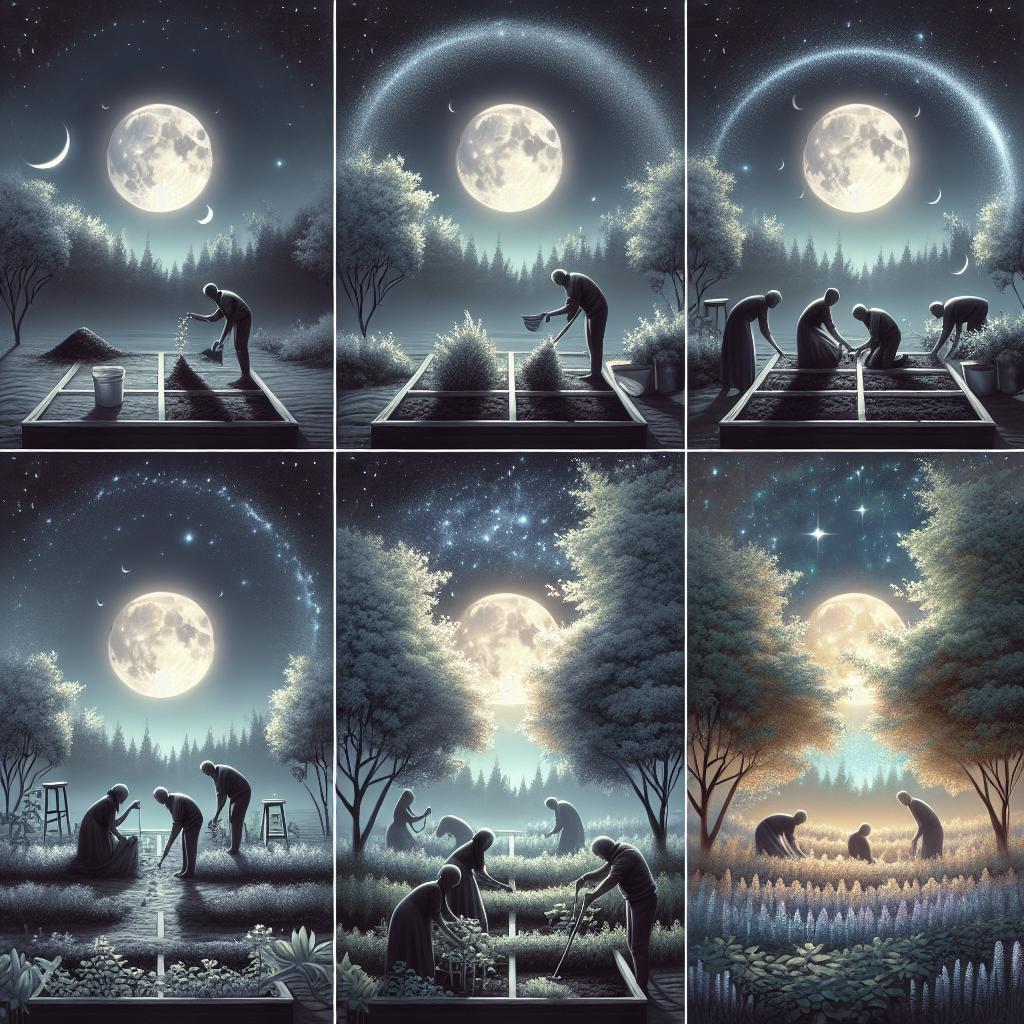
Starting a moon garden requires thoughtful planning and vision. Begin by choosing a location that receives ample moonlight. Ideally, this space should be away from artificial lights that may compete with the natural glow of the moon. Consider areas of your yard that are easily visible from your home at night, allowing you to enjoy the serene beauty even from indoors.
Once you have identified the perfect spot, sketch out a rough layout of your moon garden. Think about the shapes and flow of the garden; curves and circular patterns often reflect the celestial theme effectively. Decide whether you want a compact space or a sprawling garden that gradually unfolds with each step. The foundation of your moon garden is crucial and sets the tone for the entire project.
Consider the season when creating a moon garden
The timing of your moon garden’s inception can dramatically influence its success. Spring and early summer are generally the best times to start planting, as the soil is warm and ready for growth. During these months, plants can establish roots comfortably, setting a robust foundation for the rest of the year.
However, depending on your local climate, you may need to adapt your planting schedule. For example, in warmer regions, autumn might be a suitable time to start, as it offers cooler temperatures and less stressful conditions for new plants. Be sure to research the seasonal characteristics of your area to optimize the growth potential of your moon garden.
It’s also wise to incorporate a mix of annuals, perennials, and even some winter-flowering plants to ensure that your garden can be appreciated all year round. Think about plants that bloom at different times, creating a dynamic display as the seasons change and ensuring there’s always something new to enjoy under the moonlight.
Pick the right plants
The selection of plants is paramount in a moon garden, as they form the basis of its ethereal beauty. Choose plants with white or light-colored flowers that can reflect the moon’s light, such as white lilies, moonflower, or night-blooming jasmine. These plants not only capture light but often have a fragrant scent that adds another sensory layer to your moonlit experience.
Incorporate silver or gray foliage plants like dusty miller, lamb’s ear, and Artemisia to add contrast and texture to your garden. These plants not only catch the moonlight but also provide a stunning backdrop for the more delicate floral features, enhancing the overall aesthetic.
Consider the height and spread of plants to create a layered effect. Tall plants can act as focal points or natural borders, while shorter ground-covering varieties can fill in gaps, creating a cohesive look. Mixing different plant types will add depth and interest to your moon garden, transforming it into an immersive space.
What are some other items that should be added to a moon garden?
Beyond plants, there are various elements you can incorporate to elevate your moon garden. Paths are essential for navigating through the garden safely at night. Use light-colored stones, crushed shells, or reflective materials to create pathways that guide visitors intuitively under the moonlight. Adding solar-powered lights can enhance visibility without overpowering the scene.
Water features such as a small fountain or pond can introduce soothing sounds, adding to the tranquil atmosphere. The reflections on the water’s surface can create a mesmerizing effect, mimicking the moon’s magic. Seating areas, such as benches or swings, are also crucial, providing a space to relax and absorb the peaceful surroundings.
Finally, consider garden ornaments like mirrors or metal sculptures that can capture and reflect light, creating points of interest throughout the garden. These finishing touches can personalize your space, blending functionality with aesthetics and creating a truly captivating moonlit retreat.
Lessons Learned
| Step | Key Points |
|---|---|
| How do you start a moon garden? | Choose a moonlit location, plan the layout, maintain natural night views. |
| Consider the season when creating a moon garden | Plant in spring/early summer, adapt to climate, mix plant types for year-round interest. |
| Pick the right plants | Select reflective and fragrant plants, use contrasting foliage, layer for depth. |
| What are some other items that should be added to a moon garden? | Incorporate lighted paths, water features, seating, reflective ornaments. |
“`