“`html
How to Extend the Growing Season with Cold Frames
Cold frames are an excellent way to extend your growing season, allowing you to start planting earlier in spring and keep harvesting late into autumn. These simple structures create a microclimate that harnesses the sun’s warmth, protecting plants from frost and harsh weather. In this comprehensive guide, we’ll explore how a cold frame can be employed for starting seedlings early, hardening off seedlings, and overwintering plants. We’ll also touch on the role of garden planning apps in modern gardening, including innovative features like pest alerts. With these tools, your garden can thrive year-round, adapting to both traditional and technological advances in horticulture.
Extend the Growing Season
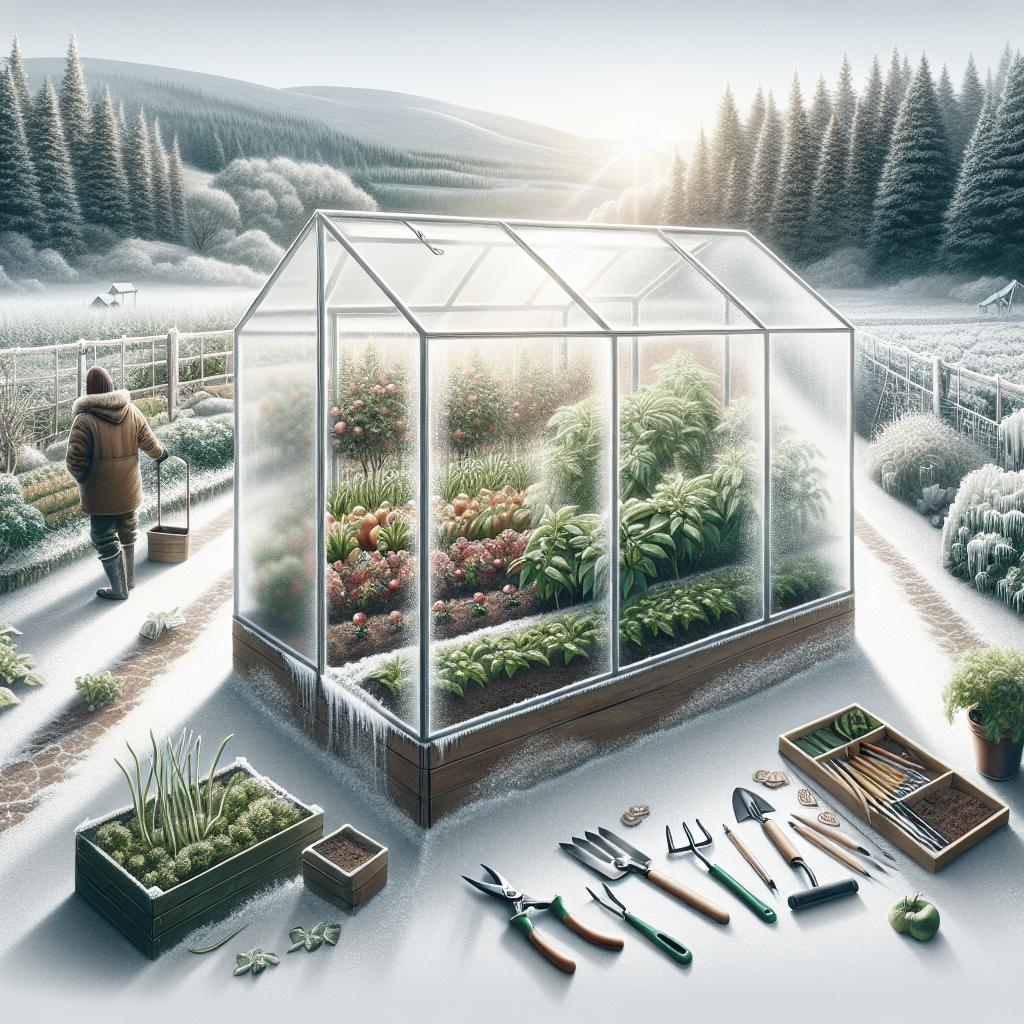
Cold frames are essentially unheated greenhouses. They work by trapping solar energy, creating a warm, stable environment for plants. By extending your growing season, you gain extra months to grow your favorite vegetables and flowers.
The key to success is placement. Situate your cold frame in a sunny spot, ideally with a southern exposure. This ensures maximum sunlight throughout the day, which heats up the structure. The transparent lid, often made of glass or plastic, traps heat while allowing light to penetrate.
Additionally, cold frames can protect plants from unexpected cold snaps. By simply covering your crops during chilly nights, you can guard against frost damage and maintain consistent growth throughout fluctuating temperatures.
Start Seedlings Earlier
One significant advantage of using cold frames is the ability to start seedlings earlier in the season. By using the additional warmth provided by the cold frame, you can germinate seeds weeks before outdoor planting would be safe.
The controlled environment within the cold frame accelerates seedling growth, allowing them to develop robust roots and foliage before being transplanted into the garden. This results in stronger plants that are better equipped to compete with weeds and resist pests.
Make sure to ventilate the cold frame on warm days to prevent overheating, which can stress seedlings. Additionally, monitor moisture levels closely, as the enclosed environment can sometimes lead to excess condensation and humidity.
Harden Off Seedlings
Hardening off is a critical step when transitioning indoor-grown seedlings to the outdoors. Cold frames provide an ideal space for this process by gradually exposing plants to outdoor conditions without the shock of a direct transplant.
Over several days or weeks, you can acclimatize seedlings by slightly opening the cold frame lid during the day. This regulates the amount of wind, sunlight, and temperature changes the plants receive, toughening them up for garden conditions.
Using a cold frame for this purpose reduces the transplant shock that can stifle growth and potentially harm plants. Once hardened, these seedlings will thrive once moved to their permanent garden location.
Using a Cold Frame to Overwinter Plants
If you’re looking to overwinter sensitive plants, a cold frame can be an invaluable tool. Many perennials and herbs, such as rosemary, benefit from the sanctuary of a cold frame during the harshest winter months.
The added protection keeps the soil warm enough to prevent root freezing and plant death. For even greater insulation, you can pile leaves or mulch around the outside of the cold frame.
Additionally, overwintering in a cold frame extends the growing period for greens like lettuce and spinach. As long as light isn’t blocked, your winter garden can yield fresh produce while the rest of the garden lies dormant.
Garden Planning Apps
In today’s digital age, garden planning apps have become as essential as a trowel or watering can. These tools help gardeners plan their layouts, track plant progress, and even predict harvest times.
Some apps integrate well with cold frame gardening by offering features like frost alerts and sunlight predictions, ensuring your plants remain protected and well-supported throughout their life cycle.
By leveraging technology, you can optimize your cold frame’s performance, making data-driven decisions that lead to healthier plants and more bountiful harvests.
Want to Receive Alerts When Pests are Heading Your Way?
Modern garden apps with pest alerts give you the ability to act quickly before pests become a problem. These alerts are based on regional data and predictive analytics, helping you prepare and protect your cold-framed plants.
By receiving timely notifications, you can implement organic deterrents or netting to keep invaders at bay and ensure your plants’ continued success even when the threat of pest invasion is imminent.
Comments
We’d love to hear your experiences and ideas on using cold frames in your garden. Do you have tips for fellow gardeners on placement or construction methods? Share your thoughts in the comments below!
Future Prospects
| Use | Benefits |
|---|---|
| Extend the Growing Season | Offers a longer growing period, protecting plants from frost and maintaining consistent growth. |
| Start Seedlings Earlier | Promotes strong root and foliage development for earlier planting. |
| Harden Off Seedlings | Gradually adapts seedlings to outdoor conditions, reducing transplant shock. |
| Overwinter Plants | Provides protection for tender plants and extends harvest of winter greens. |
| Garden Planning Apps | Optimizes cold frame use with predictive features like frost alerts. |
| Pest Alerts | Keeps plants safe from impending pest threats through timely notifications. |
“`