“`html
The Benefits of Rooftop Gardening
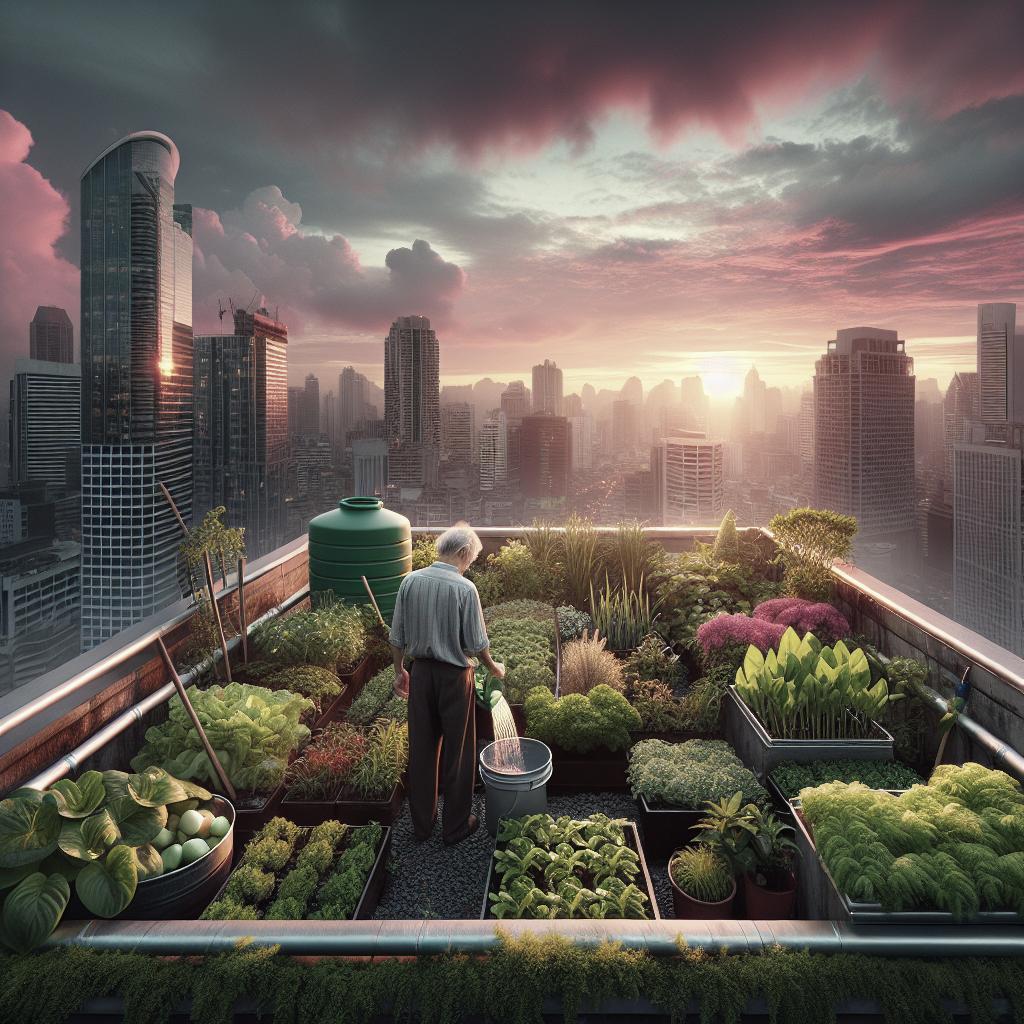
Rooftop gardening, an innovative and eco-friendly practice, is gaining popularity in urban settings around the world. This blog post explores the myriad benefits of creating a roof garden, from enhancing property values to improving environmental sustainability. You will discover how these elevated gardens offer economic advantages through property tax incentives and extended roof lifespans. Moreover, explore their role in stormwater management, social interaction, and improving air quality. Finally, understand how rooftop gardens contribute to urban biodiversity and climate adaptation. Whether you’re an urban dweller seeking personal satisfaction or a property owner looking for financial incentives, rooftop gardening presents a compelling case for consideration.
ROOF GARDENS SUBSTANTIALLY INCREASE PROPERTY VALUES
One of the most compelling advantages of rooftop gardening is the potential to substantially increase property values. In densely packed urban settings, green spaces are at a premium. Prospective buyers and renters often look for unique features that stand out in a sea of concrete, and a rooftop garden can distinguish one property from another. The aesthetic appeal of a lush and vibrant garden high above the city can allure buyers seeking tranquility amidst the urban hustle and bustle.
Furthermore, a well-maintained roof garden can enhance the architectural character of a building, making it more visually appealing. Real estate experts often note that added green space can lead to improved occupancy rates and higher rent prices. Additionally, the environmental benefits appeal to a growing demographic of eco-conscious buyers, thereby broadening market appeal.
A ROOF GARDEN CAN INCREASE THE LIFE EXPECTANCY OF YOUR ROOF
Beyond aesthetic appeal and property values, rooftop gardens can also increase the life expectancy of your roof. Traditional roofing materials are subjected to constant wear and tear from weather elements, which can lead to significant maintenance costs over time. Green roofs act as a protective barrier, shielding the underlying roof structure from UV rays, temperature fluctuations, and physical damage.
The layers of a green roof system, including the vegetation layer, a drainage system, and waterproof membranes, collectively work to reduce heat absorption and thermal stress. This can prevent the deterioration typical of conventional roofs, leading to fewer repairs and replacements, thereby saving costs over the long term. Consequently, the initial investment in a rooftop garden can be offset by the extended lifespan and lowered maintenance expenses.
PROPERTY TAX CREDIT INCENTIVES FOR GREEN ROOFS
Many urban areas now offer property tax credit incentives for the installation of green roofs, recognizing their environmental and social benefits. These incentives can be significant, providing financial motivation for property owners to invest in rooftop gardening. The aim is to encourage sustainable building practices and reduce the urban heat island effect.
By taking advantage of these tax credits, property owners can further reduce the net investment needed for a rooftop garden project. These programs often align with broader municipal or state sustainability goals, and participating in them not only contributes to personal financial savings but also aids in wider community and environmental welfare.
GREEN ROOFS AND ROOF GARDENS RETAIN AND MANAGE STORMWATER
In urban environments where impervious surfaces dominate, stormwater management can be a significant challenge. Green roofs are particularly effective at mitigating these problems by retaining and managing stormwater runoff. The design of a green roof allows it to absorb significant amounts of precipitation, reducing the volume and rate at which rainwater reaches the drainage systems.
By slowing runoff and filtering pollutants, green roofs help improve water quality and reduce the burden on urban sewage and stormwater infrastructure. This can mitigate the risks of flooding and water pollution, contributing to the resilience of urban areas against extreme weather events. In areas where heavy rain is frequent, this water management capability is invaluable.
PROVIDE SOCIAL BENEFITS
Rooftop gardens can also serve as important social spaces, fostering community interaction and improving quality of life. In crowded urban areas, access to green spaces is limited, and a rooftop garden can provide a much-needed oasis of nature for building occupants. These spaces can host social gatherings, community activities, or offer a peaceful retreat from the urban chaos.
Additionally, the availability of a communal garden promotes collaboration and interaction among residents, potentially strengthening community ties. Rooftop gardens can also have therapeutic benefits, offering a sense of tranquility and mental well-being, which can be especially valuable in high-stress urban environments.
IMPROVE AIR QUALITY
The capacity of rooftop gardens to improve air quality is another significant benefit. Plants play a crucial role in filtering air pollutants and converting carbon dioxide into oxygen through photosynthesis. This natural process contributes to cleaner and healthier air, which is particularly beneficial in cities where air quality can be a significant health concern.
The added vegetation on rooftops can help reduce smog and particulate matter, contributing to a cleaner urban atmosphere. By increasing urban green spaces, cities can work towards meeting air quality standards and enhancing the overall health of their residents.
ELEVATED GARDENS MODIFY URBAN MICRO-CLIMATES
Elevated gardens can play a pivotal role in modifying urban micro-climates. Buildings and streets often exacerbate heat in cities, contributing to the urban heat island effect. Green roofs, with their vegetation layers, help to lower rooftop and surrounding air temperatures. This cooling effect can lead to reduced energy demands for air conditioning in buildings, promoting energy efficiency.
The presence of rooftop gardens can also increase local humidity through evapotranspiration, offering a natural way to modulate climate conditions in urban environments. As cities grapple with rising temperatures and the effects of climate change, rooftop gardens offer a practical solution to improve urban climate resilience.
ROOF GARDENS PROVIDE DIVERSE HABITATS
Roof gardens can provide a haven for urban biodiversity, offering diverse habitats for a variety of plants, birds, and insects that might otherwise be scarce in city environments. By integrating native plant species into green roofs, these spaces can support pollinators such as bees and butterflies, contributing to the ecological health of the area.
The introduction of these habitats into urban areas not only supports biodiversity but also promotes ecological balance. This can be particularly crucial in urban settings where natural habitats are limited. As cities look to become more sustainable, rooftop gardens provide a natural method to enhance urban biodiversity and integrate wildlife into urban planning efforts.
Lessons Learned
| Benefit | Description |
|---|---|
| Property Value Increase | Enhances property aesthetic and increases market appeal. |
| Extended Roof Life | Protects the roof from environmental damage, reducing maintenance costs. |
| Tax Credit Incentives | Financial benefits from local and state incentives for green roofs. |
| Stormwater Management | Reduces runoff and improves water quality by filtering pollutants. |
| Social Benefits | Enhances community interaction and provides urban green spaces. |
| Improves Air Quality | Filters pollutants and contributes to a healthier urban environment. |
| Climate Modification | Reduces urban heat and improves energy efficiency in buildings. |
| Habitat Diversity | Supports urban biodiversity by providing habitats for wildlife. |
“`