“`html
How to Grow Microgreens at Home
Microgreens are a fascinating addition to any home garden, offering vibrant colors and a burst of flavor in a compact form. With this guide, you’ll learn the simple steps to growing microgreens at home, discover the variety of seeds you can choose from, and understand why microgreens are a must-have in every kitchen. We’ll explore tips for beginners and delve into everything from planting to harvesting. Whether you’re looking to enhance your culinary creations or want a fun project to share with your kids, microgreens provide endless benefits. Let’s embark on this rewarding, green journey together.
Growing Microgreens at Home is Easy
Starting your microgreens at home is a straightforward process that provides a gratifying yield in just a matter of weeks. Unlike a full-scale garden, microgreens require minimal space and can conveniently fit into various indoor environments. The journey begins by selecting the right seeds, preparing your soil, and maintaining optimal conditions for growth.
Microgreens thrive with basic care requirements, making them an ideal option for both novice gardeners and seasoned plant enthusiasts. Their compact nature and rapid growth cycle offer quick gratification, making them perfect for those seeking immediate results without the long wait typically associated with gardening.
What are Microgreens?
Microgreens are young, edible plants harvested shortly after the first true leaves have developed. They are prized for their intense flavors, vibrant colors, and dense nutritional profile, often boasting higher nutrient levels than their mature counterparts.
These greens stem from various plant families, including leafy vegetables, herbs, and even some flowers. Due to their small size, they are frequently used by chefs and home cooks alike to add flair and nutrition to dishes.
Why Grow Microgreens?
Growing your own microgreens is a cost-effective way to access fresh, nutrient-dense greens year-round. These small plants pack a powerful nutritional punch, containing high levels of vitamins, minerals, and antioxidants that contribute to a balanced diet.
Additionally, cultivating microgreens provides a gratifying gardening project that requires minimal resources and space. The simplicity and speed of growing microgreens make them an appealing venture for individuals looking to bolster their indoor gardening efforts.
Crops for Home Microgreens
Vegetable Seeds for Microgreens
Vegetable seeds such as broccoli, kale, and radish are popular choices for growing microgreens at home. These seeds germinate quickly, and the resulting greens offer robust flavors and a delightful crunch, perfect for salads and garnishes.
Herb Seeds for Microgreens
Herbs like basil, cilantro, and parsley thrive as microgreens, presenting intense flavors that enhance any meal. These microgreens are perfect for infusion in soups, stews, or as finishing touches on dishes.
Flower Seeds for Microgreens
Certain flower seeds, such as sunflower and nasturtium, can be grown as microgreens to add a splash of color and a unique taste to your plates. These provide visual appeal and subtle flavor enhancements.
Field Crop Seeds for Microgreens
Field crops like peas and corn offer sweet, tender shoots and provide substantial microgreen yields. These are popular choices for their mild flavors and ease of growth.
Microgreen Seed Mixes
For an eclectic mix of flavors and nutrients, consider using pre-packaged microgreen seed mixes. These blends offer a variety of textures and flavors in one grow, maximizing your microgreen gardening experience.
Buying Microgreen Seeds
When purchasing microgreen seeds, look for organic, non-GMO varieties to ensure that you’re growing the healthiest plants possible. Reputable garden centers and online retailers often carry a wide selection of seeds suitable for microgreens.
Consider experimenting with different seed types to find what works best for your taste preferences and growing conditions. Buying in bulk can also be economical if you plan to grow microgreens regularly.
First Microgreen Crop? Give Peas a Chance
If you’re new to growing microgreens, peas are an excellent starter crop. Their straightforward requirements and quick growth make them ideal for beginners. Pea microgreens offer a sweet, fresh taste that easily complements various dishes.
Peas require minimal maintenance and provide a rewarding yield, helping new growers gain confidence and experience in the world of microgreens.
How to Grow Microgreens at Home
Choose a Location to Grow Microgreens
Find a bright spot indoors with ample sunlight, such as a windowsill or a south-facing window area. Access to natural light is crucial for the healthy growth of your microgreens.
Supplies for Growing Microgreens Indoors
You’ll need shallow trays or containers with drainage holes, sterile potting soil or a suitable growing medium, and your choice of microgreen seeds. Additionally, consider investing in a grow light if natural light is limited.
How to Plant Microgreens
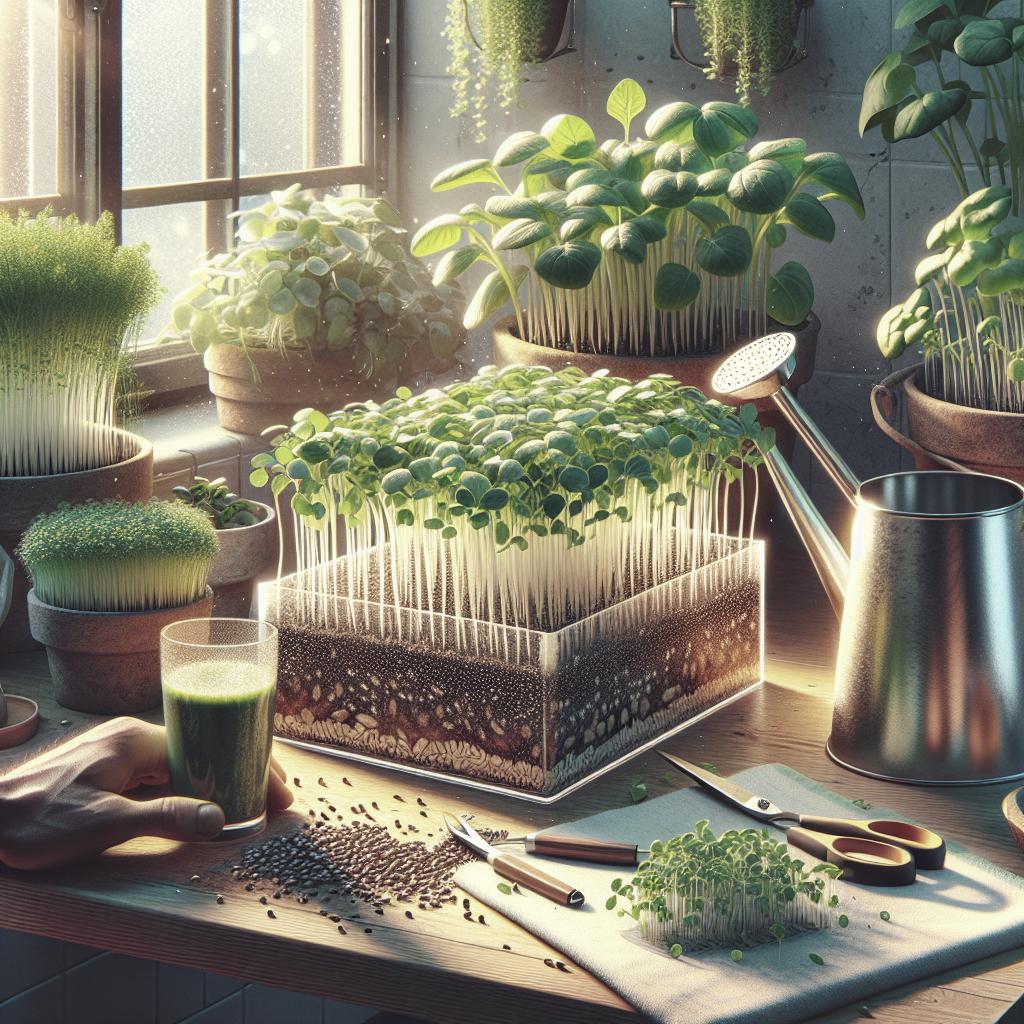
Spread a thin layer of soil in your containers, evenly distribute the seeds, and cover them lightly with more soil or a growing medium. Water gently to settle the seeds into place.
Pea Microgreens Step by Step
Soak pea seeds overnight, then spread them evenly in a layer on the soil. Cover lightly and water thoroughly. Pea shoots typically germinate in a few days and can be harvested in 10-14 days.
Location for Microgreens
Ensure your microgreens receive about 4-6 hours of light each day. Adequate light exposure is crucial for robust growth and vibrant color.
Growing Your Microgreen Crop
Maintain consistent moisture levels by misting or watering as needed. Keep the temperature stable, ideally between 60-75°F (15-24°C), for optimal growth.
Harvesting Microgreens
Harvesting Pea Shoots
To harvest pea shoots, simply use kitchen scissors to cut the stems just above the soil line. Pea microgreens are best harvested when they reach 3-4 inches in height.
Harvesting Other Microgreens
Similar to pea shoots, other microgreens like radish and broccoli can be harvested by cutting above the soil once they reach maturity. This ensures you get the freshest and most flavorful greens.
Harvesting Microgreens: Here’s a Hack
For a continuous supply, stagger your planting times or plant in successive batches. This way, as one batch is ready for harvest, another is just getting started.
How to Store Microgreens
After harvesting, store microgreens in a sealed container lined with a paper towel, which helps absorb excess moisture and keeps them fresher longer in your refrigerator.
Great for Gardening with Kids
Growing microgreens is an excellent activity for kids, teaching them about plant life cycles and nutrition. The quick turnaround time keeps them engaged and fosters responsibility and curiosity about nature.
Additionally, involving children in gardening can encourage healthier eating habits as they become excited about eating what they’ve grown.
Microgreens on the Menu
Incorporating microgreens into your diet is simple and versatile. Use them as toppings for sandwiches and salads, mix them into smoothies, or incorporate them as garnishes for a burst of flavor and color.
The culinary uses of microgreens are limited only by your creativity, making them a valuable and versatile addition to any kitchen.
FAQ: Growing Microgreens Indoors
For those new to microgreen cultivation, common questions include ideal growing conditions, potential pest issues, and the best seed varieties to start with. It’s essential to tailor care techniques to the specific microgreen variety being grown.
Generally, patience and observation are key. Remember that microgreens, while easy, still require attention to ensure they don’t dry out and that they receive adequate light.
Find This Helpful?
If you’re finding value in this guide, consider exploring additional resources on microgreen growing techniques, or joining gardening communities for shared tips and experiences. Engaging with other growers can provide insight and encouragement.
More Indoor Food Garden Ideas
Articles and Interviews
Explore a wide range of articles and interviews with expert gardeners who share insights into efficient indoor gardening techniques and innovative ways to incorporate greens into your daily life.
Courses: Edible Gardening
Consider enrolling in educational courses focused on indoor edible gardening, where you can deepen your understanding of growing various plants and maximizing limited space.
Edible Gardening Consultation
For personalized advice, reach out to gardening consultants who can provide tailored guidance based on your specific indoor environment and gardening goals.
| Section | Summary |
|---|---|
| Growing Microgreens at Home is Easy | Microgreens require minimal space and effort, suitable for beginners and experienced gardeners. |
| What are Microgreens? | Young edible greens harvested with the first true leaves, known for flavor and nutrition. |
| Why Grow Microgreens? | Cost-effective, nutrient-rich, and suited for indoor gardening, offering quick results. |
| Crops for Home Microgreens | Diverse seeds including vegetables, herbs, and more can be utilized. |
| Buying Microgreen Seeds | Opt for organic, non-GMO seeds from reliable sources for healthy growth. |
| First Microgreen Crop? Give Peas a Chance | Peas are beginner-friendly, easy to grow, and offer a sweet taste. |
| How to Grow Microgreens at Home | Steps include location choice, supplies, planting, and ensuring proper growth conditions. |
| Harvesting Microgreens | Proper techniques for cutting and storing microgreens ensure freshness and quality. |
| Great for Gardening with Kids | Engaging activity for children that promotes learning and healthy eating habits. |
| Microgreens on the Menu | Versatile for numerous culinary applications, enhancing dishes with flavor and nutrients. |
| FAQ: Growing Microgreens Indoors | Addresses common questions and considerations for successful microgreen cultivation. |
| Find This Helpful? | Encouragement to further explore resources and community support. |
| More Indoor Food Garden Ideas | Offers avenues for learning and consultation to enhance indoor gardening skills. |
“`